

Bong VS Vaporizer: What is the Comparison Between them?
Bong vs Vaporizer.
Many people who try a bong for the first time become lifelong fans. And this is not without reason. A bong has numerous advantages over a joint. The fact that you lose nearly no smoke or cannabis effect when smoking a bong is considerably the most significant perk of all. This is because you take a single large hit (or numerous, if you’re skilled) and inhale much deeper. This enables you to get the most out of your cannabis and save a significant amount of money. in this article we will discuss bong vs vaporizer.
Whereas vaporizers have emerged as the new and innovative way for herbal connoisseurs the world over to reap the advantages of their herbal products. Numerous customers are opting for these cutting-edge and intelligent machines in order to have a more personalized and successful experience.
What is a bong?
A bong is a water filtration smoking device that filters the smoke before reaching your stomach and makes your respiratory safe from harmful toxins. You can smoke tobacco, cannabis, and other natural herbs with bongs. Bongs have special types of water filtration systems; that makes the smoke smooth and gives you a pure smoking taste.
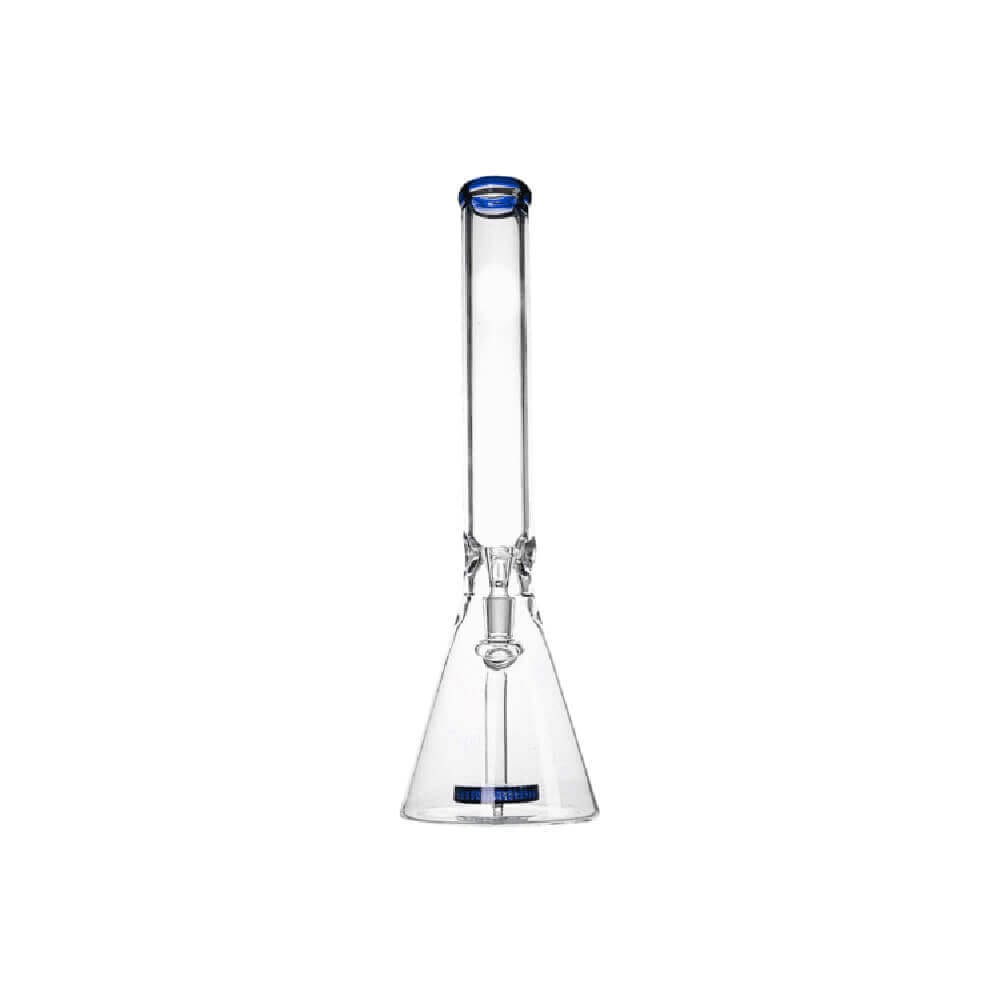
Anatomy of a Bong Device:
A bong, also known as a water pipe, filters the smoke of smoking substances. It consists of more than one component which works together. Here are the components of a bong device that are present in it to make the smoke smooth and pure.
Bowl: Bowl is for keeping the smoking material in the bong after grinding it well in your hands. This component is of different shapes in different types of bongs; it may be made of glass or metal.
Water Chamber:
The water chamber is also known as the filtration part of a bong because, in this chamber, we fill water to filter the smoke of tobacco, cannabis, and other natural herbs.
Downstem:
Down stem is the joint part between the water chamber and bowl that connects both parts to allow the filtration process.
Mouth Piece:
The mouthpiece is the main component of the bong that you use for smoking comes from the water chamber after filtration.
Ash-catcher:
Ash-catcher is used to put the ash of smoked herbs and other substances; present just underneath the bowl piece.
lets discuss bong vs vaporizer
How does a Bong work?
The work format of a bong is very simple and amazing; you need to perform some steps to enjoy it.
- You add the water in the water chamber according to the need of your bong size; do not fill this chamber with water.
- Grind the smoking herbs, tobacco, or cannabis with your hands in a fine form but do not make powder.
- Add these ground substances into the bowl piece and lighten the flower. Now smoke the filtered substance through the mouthpiece of the bong.
For a complete guide on how to smoke a bong, click here
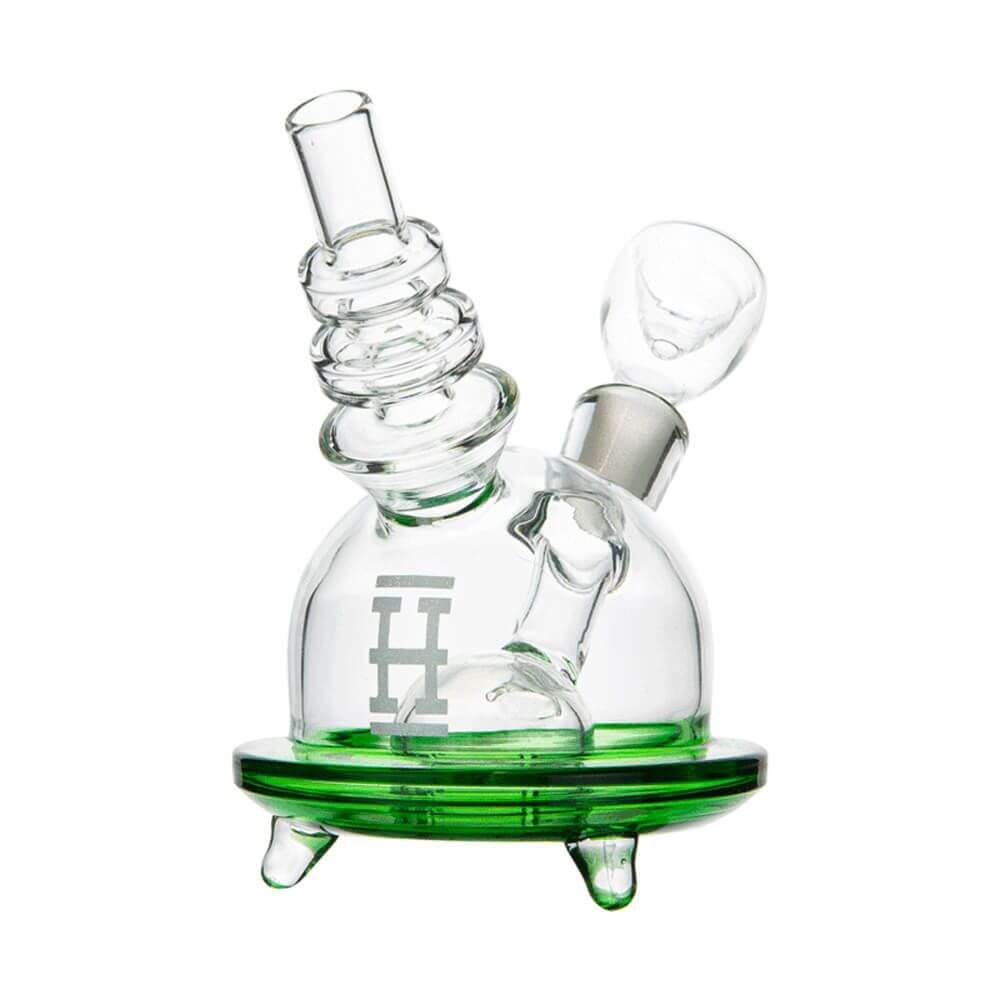
Some Benefits of Smoking from a Bong:
A bong is a smoking device that filters the smoke and makes it free from all toxins and chemicals that may harm your lungs. There are a lot of advantages of smoking from of a bong.
Enhance your Sensory Experience:
The water filtration in a bong makes the taste of the smoking substance pure and smooth than any other smoking stone. The stoners get a toxin-free, cool and smooth taste of smoke from their favorite smoking substance.
Bongs save Your Money:
Bongs save your money because once you purchase this smoking device, you can use it for a long time. Moreover, you can use a small amount of smoking substance according to your need, and it will give the same effect as the bowl is full of smoking substances.
You Enjoy Healthy Smoking:
The bong is a smoking device that filters the smoke and makes it free from all toxins that may harm your lungs and affect your respiratory system. So you can enjoy a healthy smoking experience by using a bong device that does not have any harmful effect on your lungs.
Bongs Keep Your Space Clean:
When you smoke a cigarette, you drop the ash on the floor continuously until you end smoking. The ash of cigarette and smoke coming from it makes your environment dirty and full of toxins. But the smoking from a bong is not like this; it keeps your space clean because the smoke comes after filtration.
Smoking devices like bongs and vaporizers both affect health differently. Bongs, by filtering smoke through water, are thought to reduce the inhalation of harmful tar and carcinogens. However, some health advocates point out that the filtration process may not completely eliminate all toxic substances. Vaporizers, on the other hand, heat the cannabis or tobacco just enough to release active ingredients without combustion, significantly reducing the intake of harmful compounds. Research indicates that this method can decrease the risk of respiratory ailments associated with smoke inhalation.
What is a Vaporizer?
A vaporizer, often known as a Vape, is a smoking device that allows you to inhale a smoke substance like cannabis, tobacco, or other plants. In the end, a liquid is created by combining propylene glycol, glycerin, and nicotine-based medicines such as tobacco extract or tetrahydrocannabinol.
Vaporizers are made of glass or metal and have many types of extraction chambers such as venturi, straight bore, and sequential venturi. A pipe or hose can be used to route vapor from the extraction site directly into the lungs, or it can be captured inside inflatable bags to be inhaled later. Reduced combustion leads to greater extract efficiency when applied properly at a lower temperature.
Vaporizer models vary widely, catering to different needs and preferences. Portable vaporizers are compact and battery-powered, ideal for use on the go. They offer flexibility as they can easily fit into a pocket or bag. Desktop vaporizers are larger and often more powerful, designed for home use where portability is less of a concern. These provide consistent power and tend to have more advanced features, such as precise temperature controls. Vaporizers can use either conduction, where the material contacts a heat source, or convection, where hot air warms the material. Each type offers distinct benefits and is chosen based on personal preference and desired experience.
Anatomy of a Vaporizer Device:
Electronic cigarettes are also called e-cigarettes, e-cigs, or vaping devices. The system consists of multiple components which interact with one another. A Vaporizer device is made up of the components; listed here to make smoke smooth and pure,
Battery
A vaping device requires a battery to operate. Vaping devices usually have one at the end where a traditional cigarette’s tobacco would be located. Disposable and rechargeable vaping batteries are available in different sizes.
Atomizer
Atomizers are the heating components of vaping devices. Unlike traditional combustible cigarettes, it has no filter.
Cartridge
A cartridge is a container held in a vaping device that stores liquid solutions, or e-juice. Combustible cigarettes have the filter located at the bottom. Devices designed to be refilled with cartridges can be used repeatedly.
E-juice/e-liquid
The liquid solution for vaporizers is known as e-juice. A typical formulation usually contains propylene glycol and vegetable glycerin as its foundational ingredients. In some cases, e-juice contains nicotine or other drugs, including some illegal ones. The nicotine strength and flavors of e-juice vary as well. Vaping devices come in over 400 brands, and e-juices are available in thousands of flavors. It is even possible to create your own.
Regular cleaning of both bongs and vaporizers is crucial for maintaining their effectiveness and extending their lifespan. Bongs require frequent cleaning to prevent resin build-up, which can impact flavor and hygiene. Use isopropyl alcohol and warm water for effective cleaning. Vaporizers also need maintenance, focusing on cleaning the heating chamber and mouthpiece. Many devices come with cleaning kits for convenience. Keeping these devices clean ensures the purity of flavor and optimizes their performance.

How does a Vaporizer work?
To create vapor from a substance; tobacco and marijuana, a vaporizer uses two different methods
- Conduction. By contacting something that is already hot, your plant material becomes heated up.
- Convection. During this process, hot air is blown over your plant matter to heat it.
The legality of using bongs and vaporizers varies widely depending on location and intended use. In many places, these devices are strictly regulated, particularly concerning cannabis use. While some regions permit medical or recreational use of cannabis, others maintain strict prohibitions. Individuals should ensure they are aware of local laws and regulations to avoid unwelcome legal issues. For tobacco, regulations usually focus on age restrictions and permissible use areas rather than on the devices themselves.
Some Benefits of Smoking from a Vaporizer:
There are some benefits of smoking from Vaporizer.
Yields More
The combustion of an herb via smoke uses its “payload” all in one go, but a vaporizer allows the user to portion out their usage, thereby allowing the herb to last three to four times as long.
Safe and Clean Medium
Compared to their combusted counterparts, vaporized plant materials generate very little or none of the irritants and health-endangering constituents, depending on the component.
Offers a Pure Flavor
Vaporization of herbal materials with non-combustible methods provides a purer taste. You enjoy the best taste of smoking substances in this smoking device
When evaluating costs, bongs generally present a lower initial expense compared to vaporizers, which can range significantly in price. However, the long-term cost-efficiency of each device depends on usage habits and maintenance needs. Vaporizers may pay off in the long run through efficient usage of the smoking material and savings on additional supplies like rolling paper. Bongs, with their simpler design, incur fewer ongoing costs but might require frequent purchases of smoking material due to higher consumption rates.
Conclusion
Vaporizers come in a variety of shapes and sizes, the largest and heaviest being desktop vaporizers. However, portable or pen vaporizers are available that you can carry with you anywhere you go. They are now convenient to store in your bag or pocket and can be taken anywhere. There is no need to be concern. Hopefully that answers the question to bong vs vaporizer.
Disclaimer: This article is for reference only. No type of smoking is completely safe regardless of the smoking instrument used. Please do your own due-diligence before taking up or participating any type of recreational smoking.

Why Should You Change Your Bong Water Regularly

Whether you’re a seasoned bong user or new to the practice, the importance of regularly changing your bong water cannot be overstated. In this article, we’ll explore the impact of different climates on bong water and the health risks of neglecting to change it. We’ll also discuss the indications that it’s time for a swap.
Additionally, we’ll delve into the numerous benefits that come with regularly changing your bong water. These include enhanced flavor, improved filtration, and an extended lifespan for your beloved device. So, grab your bong and let’s dive in!
Key Takeaways:
- Regularly changing your bong water is essential for maintaining good health and avoiding potential health risks associated with stagnant and contaminated water.
- Indications such as dark, muddy water, pungent smell, visible mold and mildew, and resin buildup are clear signs that it’s time to change your bong water.
- Regularly changing your bong water not only improves the taste and smoothness of your smoke, but also helps extend the lifespan of your bong and reduces unpleasant odors.
Why You Should Change Your Bong Water Regularly
Regularly changing your bong water is crucial for maintaining a fresh and enjoyable smoking experience, especially for cannabis consumers. Dirty bong water can harbor harmful pathogens, impacting both the flavor and quality of the smoke, as well as posing potential health risks to your lungs.
When you use a bong for smoking, the water not only cools down the smoke but also filters out impurities, providing a smoother and cleaner inhalation experience.
However, when this water is left unchanged, it becomes a breeding ground for bacteria, mold, and other contaminants. These pathogens can contribute to respiratory issues and infections when inhaled, potentially leading to coughing, chest discomfort, and other symptoms that can affect your overall well-being.
The decomposing organic matter in stale bong water can produce a foul odor and unpleasant taste, detracting from the enjoyment of your smoking session. By regularly refreshing the water in your bong, you minimize the accumulation of these harmful substances, ensuring a cleaner and safer smoking experience.
It’s a simple yet essential step in maintaining the hygiene and purity of your smoking apparatus, safeguarding both your enjoyment and health.
When to Change Your Bong Water
Knowing when to change your bong water is essential for daily cannabis consumers, especially those who smoke often and seek a clean smoking experience.
Impact of Different Climates on Bong Water
The impact of different climates on bong water change can vary, affecting the cleanliness and overall smoking experience for cannabis consumers in diverse environments.
Humidity levels in tropical climates can result in bong water becoming dirty more quickly, due to the increased moisture in the air. This can lead to a higher frequency of water changes to maintain a pleasant smoking experience.
Conversely, in arid or dry climates, bong water may evaporate at a slower rate, potentially necessitating less frequent changes. Cold climates may lead to the formation of mold if the bong water is not changed regularly, posing health risks. Therefore, being attuned to the unique effects of climate on bong water is crucial for users to ensure a consistently enjoyable smoking experience.
Material Impact on Cleaning Frequency
The material of your bong can significantly impact how often it requires cleaning. Glass bongs are popular for their non-porous surfaces, which make them easier to clean and more resistant to absorbing odors and flavors. This material is conducive to more thorough maintenance, ensuring hygiene and longevity. Acrylic bongs, though more durable and less expensive, may retain smells more easily and often require more frequent cleaning to prevent tartar buildup and lingering odors. Ceramic bongs, while aesthetically pleasing, share a similar non-porous nature with glass, but due to their fragility, they demand careful handling and regular upkeep. Regular cleaning is necessary, regardless of the material, to prevent health risks associated with bacterial growth.
Health Risks of Not Changing Bong Water
Not changing bong water regularly can lead to potential health risks, as stagnant water can become a breeding ground for harmful pathogens, including fungus and bacteria, posing serious health concerns for consumers.
When bong water is not changed frequently, the residue from previous smoke sessions can accumulate, leading to a buildup of harmful substances.
These substances can infiltrate the respiratory system when smoking, potentially causing respiratory issues and exacerbating existing health conditions. The presence of mold and bacteria in stagnant water poses risks of infections and illnesses, particularly for individuals with weakened immune systems.
Indications for Changing Bong Water
Several indications signal the need for changing bong water, including the presence of dark, muddy water, a pungent smell, visible mold, and resin buildup within the device.
Dark, Muddy Water
The presence of dark, muddy water in your bong indicates the urgent need for a water change, as it can have implications for the overall smoking experience and the health of consumers.
When the water in a bong becomes dark and muddy, it not only affects the aesthetic appeal of the smoking device but can also heavily impact the flavor and smoothness of the smoke.
The buildup of impurities in the water can pose health risks to the consumers. Regular maintenance, including changing the water and cleaning the bong, is essential to ensure a quality smoking experience and protect the well-being of those partaking.
Chemical Composition of Impurities in Bong Water
Bong water can accumulate various impurities, including tar, ash, and bacteria, affecting the quality of the smoke. Tar, a byproduct of smoke, can coat the bong’s interior, contributing to a sticky residue that hinders smooth airflow. Ash, carried through by the smoke, mixes with water, darkening it and possibly altering the taste of each draw. Bacteria find a hospitable environment in stagnant bong water, potentially posing health hazards. Regularly changing the water disrupts the colonization of these microorganisms, promoting a cleaner smoking experience. Understanding these components highlights the importance of consistent bong maintenance.
Pungent Smell
A pungent smell emanating from your bong water signifies the need for immediate change to maintain both the health and cleanliness of the smoking environment.
When the bong water begins to emit a strong, unpleasant odor, it’s important to take action promptly. The smell indicates the presence of bacteria, mold, and other potentially harmful microorganisms that can compromise the quality of the smoke and pose health risks to the user.
Regularly changing the bong water is crucial to ensuring a hygienic and enjoyable smoking experience. Neglecting this maintenance can result in the accumulation of residue and toxins, impacting both the taste and safety of the smoke. By replacing the water with fresh, clean water, you can eliminate the foul smell and promote a healthier atmosphere for smoking.
Visible Mold and Mildew
The presence of visible mold and mildew in bong water indicates serious implications for consumers, necessitating an immediate change to avoid health risks and ensure a clean smoking experience.
When mold and mildew exist in bong water, it creates a breeding ground for harmful bacteria and pathogens which can be inhaled through the smoking process.
This poses potential health hazards such as respiratory issues, allergic reactions, and even infections. The presence of mold in bong water can lead to a foul odor and taste, impacting the overall smoking experience.
It is essential to prioritize regular cleaning and maintenance to prevent the accumulation of mold and mildew, ensuring a safe and enjoyable smoking environment.
Resin Buildup
Resin buildup in bong water can significantly impact the purity of the smoking experience for cannabis consumers, necessitating prompt water changes to maintain a clean and enjoyable session.
When resin accumulates in the bong water, it not only alters the taste and aroma of the smoke but also affects the smoothness of inhalation.
The buildup can lead to a harsher and less pleasant smoking experience. The residue can affect the overall cleanliness of the device, potentially harboring bacteria and other impurities.
Regular water changes are essential to uphold the purity and cleanliness of the smoking apparatus.
By refreshing the water frequently, users can prevent the accumulation of resin and ensure an optimal smoking experience each time they indulge.
Benefits of Regularly Changing Bong Water
Regularly changing your bong water offers numerous benefits, including better and smoother filtration, the elimination of foul odors, and the extension of your device’s lifespan.
Enhanced Flavor
Regularly changing bong water results in enhanced flavor during the smoking experience, providing cannabis consumers with a more enjoyable and authentic taste profile.
When the bong water is left unchanged for an extended period, it can become stale, affecting the taste of the inhalation.
By replacing the water regularly, smokers can experience a cleaner and smoother flavor, allowing the natural aromas and subtleties of the cannabis to shine through.
The quality of the bong water directly impacts the overall smoking experience. Fresh water can heighten the full-bodied and nuanced flavors of the cannabis, while also reducing any harsh aftertaste, ultimately contributing to a more pleasant and satisfying session.
Improved Filtration and Smoothness
Regularly changing bong water leads to improved filtration and smoothness, enhancing the overall smoking experience for cannabis consumers and enthusiasts alike.
By replacing the bong water frequently, users can ensure that the filtration process remains efficient, allowing the smoke to be purified and cooled more effectively before inhalation.
This results in a smoother and cleaner taste, which is often preferred by cannabis enthusiasts. The overall smoking experience is enhanced as the cannabinoids are delivered in a purer form, providing a more enjoyable and satisfying experience for those partaking in the activity.
Alternative Filtering Materials
For those seeking enhanced filtration, alternative materials such as activated carbon can be added to water in bongs. Activated carbon filters are known for their ability to trap additional impurities from the smoke, further protecting the user’s respiratory health and improving the smoke quality. These filters capture small particles that water alone may not remove, thus providing an extra layer of purification. Incorporating such materials offers a more refined smoking experience, aligning with health-conscious preferences without drastically changing the traditional bong setup.
Reduced Unpleasant Odors
Changing bong water regularly leads to reduced unpleasant odors, ensuring a fresh and inviting smoking environment for consumers seeking an enjoyable session.
When bong water is left unchanged, it becomes a breeding ground for bacteria and mold, which can produce unpleasant odors.
By refreshing the water frequently, the growth of these unwanted microorganisms is inhibited, maintaining a clean and desirable atmosphere for your smoking experiences.
The benefits of regularly changing bong water extend beyond odor control, enhancing the overall enjoyment and comfort of every session.
Embracing this simple maintenance routine creates a more welcoming space for you and your fellow consumers.
Extended Bong Lifespan
Regularly changing bong water contributes to an extended lifespan for your device, ensuring a safe and sketched sesh for enthusiasts while maintaining optimal functionality.
When you neglect cleaning your bong water, resin and mold can build up, impacting its performance and affecting the taste and quality of your smoke.
By refreshing the water after each use, you can prevent these issues, ensuring that your experience remains enjoyable and your bong stays in top condition. Consistent water changes can help prolong the overall lifespan of your bong, saving you from having to replace it prematurely.
Environmental Considerations for Bong Water Disposal
Proper disposal of bong water is important for minimizing environmental impact. Pouring used bong water down the sink or toilet can introduce residues and contaminants into water systems. Instead, consider disposing of the water in soil far from plant roots, as it prevents chemicals from seeping into the environment. Using biodegradable cleaning products can also reduce potential ecological harm. Being mindful of disposal methods not only benefits personal responsibility but also ensures a more sustainable smoking practice.
History and Evolution of Bongs
Bongs, with a rich history tracing back thousands of years, originated in regions including China and Thailand. Initially crafted from bamboo or other natural materials, these devices were valued for their cooling and filtration capabilities. Over time, the design of bongs has evolved significantly, embracing materials like glass and acrylic for improved functionality and aesthetics. Modern variations continue to incorporate advanced filtration systems, aligning with contemporary preferences for a smoother and cleaner smoking experience. The historical evolution of bongs showcases their adaptability and the advancement in user-focused design.
Frequently Asked Questions
Why should you change your bong water regularly?
Regularly changing your bong water is important for maintaining the quality and taste of your smoking experience. Old bong water can accumulate bacteria and toxins, which can be harmful to your health. Additionally, old bong water can affect the flavor of your smoke, making it less enjoyable.
How often should you change your bong water?
It is recommended changing your bong water after every use. This will ensure that you are always using fresh and clean water for your smoking sessions. However, if you are unable to change it after every use, you should change it at least once a day to prevent any buildup of bacteria and toxins.
What are the consequences of not changing your bong water regularly?
Not changing your bong water regularly can lead to a buildup of bacteria and toxins, which can cause adverse health effects. It can also affect the taste and quality of your smoke, making it less enjoyable. Additionally, the buildup of residue in your bong can make it harder to clean in the long run.
Can you reuse bong water?
No, it is not recommended to reuse bong water. Once water has been used for smoking, it can accumulate harmful toxins and bacteria, making it unsafe to use again. It is important to always use fresh water for each smoking session.
How can you tell if your bong water needs to be changed?
If your bong water starts to look cloudy or develop an unpleasant odor, it is a sign that it needs to be changed. Additionally, if you notice a change in the taste of your smoke, it is likely time to change your bong water. Trust your senses and change the water regularly to ensure a clean and enjoyable smoking experience.
What can you do to keep your bong water clean and fresh?
To keep your bong water clean and fresh, make sure to empty and rinse out your bong after every use. You can also add a small amount of lemon juice or vinegar to the water to help prevent the growth of bacteria. Additionally, using filtered or distilled water can also help maintain the quality of your bong water.
Disclaimer: This article is for reference only. No type of smoking is completely safe regardless of the smoking instrument used. Please do your own due-diligence before taking up or participating any type of recreational smoking.
Why Do You Put Ice In A Bong
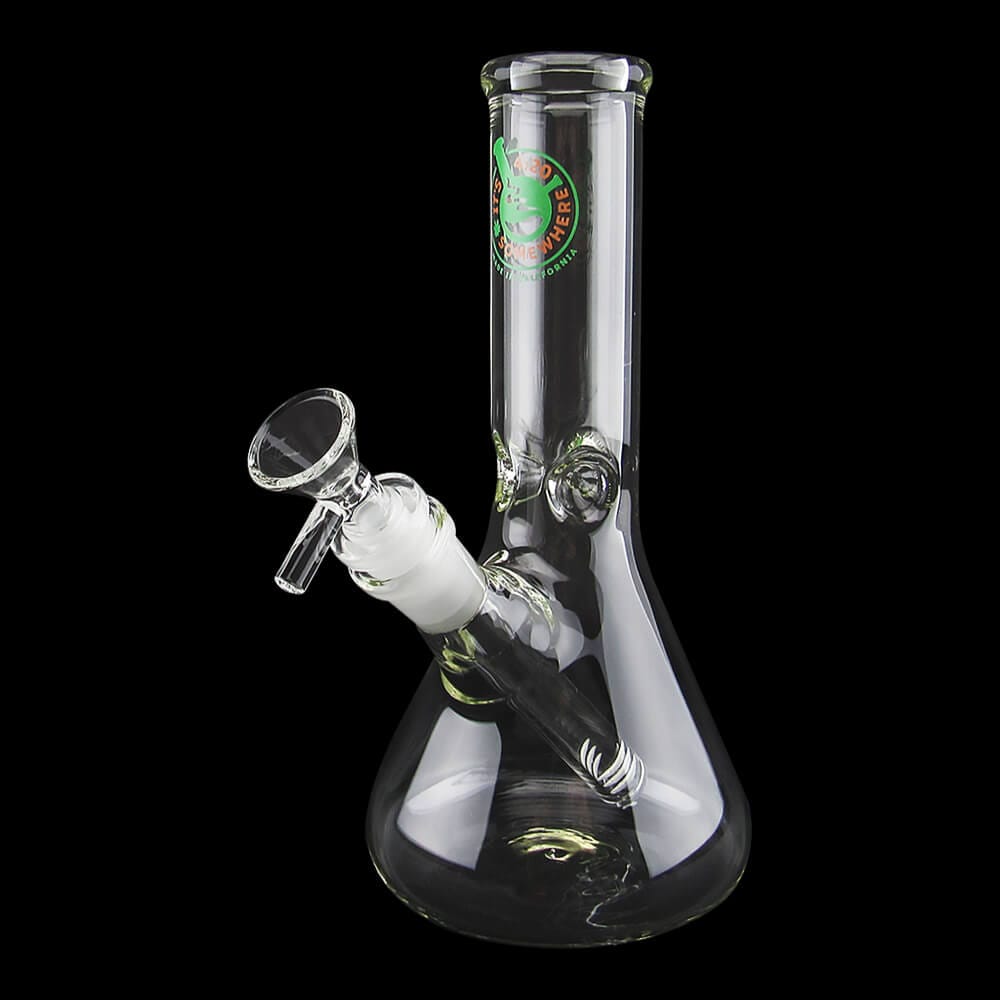
Have you ever wondered why ice bongs (ice pinch) are becoming so popular? Look no further, because in this article, we’ll dive into the trend of “why you put ice in a bong” and why it’s gaining traction. From the mechanics behind ice bongs to the advantages and potential drawbacks, we’ll cover all the essential information you need to know. Whether you’re an experienced smoker or just starting out, this article will offer valuable insights into the world of ice bongs.
Key Takeaways:
- Using ice in a bong cools down the smoke, making it smoother and less harsh when inhaled.
- Ice catchers in bongs are specially designed to hold ice cubes, allowing for an even cooler smoking experience.
- When choosing a bong for ice, consider the size of the ice catcher and the thickness of the glass for maximum cooling effect.
Why Do You Put Ice In a Bong?
Adding ice to a bong is a popular practice among smokers seeking cooler and smoother hits, reducing the impact on the throat and lungs.
The ice serves as a natural coolant, effectively lowering the temperature of the smoke as it travels through the bong. This not only provides a more comfortable smoking experience by minimizing the harshness of the smoke but also helps in filtering out impurities, resulting in a cleaner inhalation.
The cooled smoke allows for deeper inhalation, enhancing the overall enjoyment of the smoking session.
Understanding Ice Bongs
Ice bongs are specially designed smoking devices that incorporate ice to cool the smoke before inhalation, providing a smoother and more enjoyable experience for users.
What is an Ice Bong?
An ice bong is a type of water pipe designed with additional features, such as ice catchers or an ice pinch to hold ice cubes and cool the smoke before inhalation, delivering a cooler and more pleasant smoking experience.
Ice bongs are a popular choice among smoking enthusiasts for several reasons. One of the main benefits is that when the smoke passes through the ice chamber, it helps to remove some of the harshness and heat, resulting in a smoother hit. Additionally, the ice helps to contribute to a cleaner taste as harmful toxins are trapped in the ice. This not only enhances the overall smoking experience but also makes it visually appealing and refreshing.
The design of ice bongs prevents the ice from melting too quickly, ensuring a consistent cooling effect throughout the smoking session. This ensures that the smoke is not diluted, resulting in a more enjoyable and milder inhalation process. With these benefits, it’s no wonder that ice bongs are a popular choice among smokers.
Different Types of Ice Used in Bongs
There are several types of ice that can be used in bongs, each offering a unique impact on the smoking experience. Regular ice cubes are the most common and are easy to handle, providing a consistent cooling effect as the smoke passes through. Crushed ice offers a greater surface area, achieving faster and more extensive cooling of the smoke, which may be preferable for those seeking an intensely cold hit. Flavored ice gives an additional dimension to the experience, slightly modifying the taste of the smoke and offering a hint of whatever flavor is chosen. Some enthusiasts even experiment with using different shaped ice cubes, such as spheres or hexagons, which can slow melting and provide a sustained cooling effect.
Historical Use of Ice in Smoking Devices
The use of ice in smoking devices is not a recent innovation but has historical roots dating back several decades. Initially, smokers used ice as a simple but effective means to reduce the harshness of smoke. As smoking culture began to evolve in the 20th century, particularly in Western countries, the incorporation of ice into bong designs became more sophisticated. This was largely driven by a desire for a smoother and more enjoyable smoking experience, leading to innovations in bong design such as the development of integrated ice catchers. Over time, ice bongs gained popularity among enthusiasts for their ability to enhance both functionality and aesthetic appeal, becoming a staple in modern smoking practices.
How Does an Ice Bong Cool Smoke?
Ice bongs cool smoke by passing it through ice water or ice catchers, lowering the temperature and providing a smoother, less harsh smoking experience that is gentler on the throat and lungs.
When the smoke is pulled through the ice water or ice catchers, the intense cooling effect occurs. The ice cools the smoke by absorbing the heat, resulting in a milder, more invigorating inhalation.
As the smoke passes through the icy medium, it undergoes a process of filtration, where impurities and particulates are captured, preventing them from reaching the throat and lungs. This process contributes to the smoother and cleaner nature of the inhalation.
Benefits of Using Ice in a Bong
Using ice in a bong offers multiple benefits, including cooler and smoother hits, reduced throat and lung irritation, and improved filtration of hot smoke, enhancing the overall smoking session.
When ice is placed in the bong’s neck or in an ice catcher, it cools down the smoke before inhalation, resulting in a less harsh experience for the user.
The cooling effect of the ice also minimizes the throat and lung irritation often associated with inhaling hot smoke. The presence of ice in the bong enhances the filtration process, allowing the smoke to pass through the water and ice, resulting in a cleaner and smoother inhalation.
Plus these benefits, using ice in a bong can also provide a more flavorful smoking experience by reducing the impact of the heat on the taste of the herbs or tobacco.
This not only enhances the overall enjoyment of the smoking session but can also make the smoking experience more pleasant and satisfying for the user.
Comparative Benefits of Ice vs. No Ice
Comparing the use of ice in bongs to traditional bongs without ice highlights several distinct benefits and considerations. Bongs with ice provide a smoother, cooler smoke that can be easier on the throat and more pleasant for longer sessions. This is particularly beneficial for users who may have sensitivities to hot smoke. In contrast, traditional bongs without ice deliver a more intense flavor of the herbs due to the absence of cooling interference. While using a bong without ice may save on preparation time and cleanup, the immediate cooling effect of ice can significantly improve the inhalation experience by reducing harshness. For many users, the choice between using ice or not ultimately depends on personal preference and priorities, such as flavor intensity versus smoothness.
Ice Catchers: How They Work
Ice catchers are components in bongs that hold ice cubes, cooling the smoke and providing a smoother, more enjoyable smoking experience by reducing the harshness on the throat and lungs.
When the smoke from burning herbs or tobacco passes through the ice catcher, the ice cubes chill the smoke, causing it to condense and providing a cooling effect. This not only reduces the temperature of the inhaled smoke but also filters out some of the impurities, resulting in a cleaner taste.
The chilled smoke is less abrasive on the respiratory system, making the inhalation process more comfortable for the user.
What is an Ice Catcher?
An ice catcher is an integral part of a bong that holds ice cubes, effectively cooling the smoke and delivering a gentler, smoother smoking experience by reducing the impact on the throat and lungs.
Constructed as a series of pinched glass indentations or a specific chamber within the bong’s neck, the ice catcher allows the smoke to pass over the ice, causing it to cool significantly.
This cooling process reduces the harshness of the smoke, making it more enjoyable for the user and lessening the risk of coughing or throat irritation.
By enhancing the overall smoking experience, ice catchers have become a popular feature in modern bong designs, appealing to both seasoned enthusiasts and newcomers.
Significance of Ice Catchers in Bongs
Ice catchers play a significant role in bongs by cooling the smoke, resulting in smoother hits and reduced irritation on the throat and lungs, thus enhancing the overall smoke session.
When the smoke passes through the ice catcher, it comes into contact with the ice, causing it to cool down rapidly. This process not only makes the hits more enjoyable due to the smoothness but also reduces the harshness of the smoke, making it easier on the throat and lungs.
The design of the ice catcher allows for the smoke to be diffused and cooled efficiently, providing a refreshing and pleasant experience for bong enthusiasts. It’s remarkable how a simple addition can make such a significant difference in the overall smoking experience.
Choosing the Right Bong for Ice
Selecting the right bong for using ice is crucial to ensure an optimal smoking experience, especially for those who prefer cooler and smoother hits.
When considering a bong suitable for using ice, size plays a significant role. A larger chamber provides more space for the ice to melt, effectively cooling the smoke.
The design of the bong must be compatible with adding ice. Look for a bong that features a built-in ice catcher or a neck with ample room to accommodate ice cubes. This ensures that the ice stays in place without the risk of falling into the water or obstructing the airflow.
The material of the bong should be durable and capable of withstanding temperature changes caused by the addition of ice.
Materials Best Suited for Ice Bongs
When selecting a bong for use with ice, the material can significantly affect durability and performance. Borosilicate glass is often recommended due to its high resistance to thermal shock, making it ideal for withstanding sudden temperature changes caused by the addition of ice. Its non-porous surface also helps prevent the absorption of odors, maintaining the purity of each smoking session. Silicone bongs have gained popularity for their flexibility and virtually indestructible nature, offering a more resilient alternative for those who may be concerned about dropping traditional glass bongs. However, silicone doesn’t provide the same level of thermal conduction as glass and may not cool the smoke as effectively.
Best Bongs for Ice
The best bongs for using ice are those equipped with ice catchers or specifically designed to accommodate ice cubes, offering an enhanced smoking experience with cooler and smoother hits.
For those who enjoy a cooler and more enjoyable smoking experience, these bongs are the perfect choice. With built-in ice catchers, these bongs allow for the addition of ice cubes to cool the smoke as it travels through, resulting in a smoother and milder inhale. The design of these bongs ensures that the ice stays in place without obstructing airflow, providing consistent and enjoyable hits every time.
Plus cooling the smoke, the use of ice in bongs also helps filter out impurities, resulting in a more enjoyable and less harsh smoking experience for the lungs. So not only do these bongs provide a cooler hit, but they also enhance the overall quality of the smoking experience.
Options for Bongs Without Ice Catchers
For bongs without ice catchers, alternative methods such as pre-chilling the water or using alternative cooling accessories can still provide a cooler smoking experience, catering to users who prefer bongs without specific ice features.
One popular alternative cooling method for bongs without ice catchers is to pre-chill the water before filling the chamber. By placing the bong in the refrigerator for a short period or adding ice cubes to the water, the temperature of the smoke can be lowered, resulting in a smoother and cooler inhale.
Another option is to use alternative cooling accessories designed to fit onto the bong, such as freezable coils or glycerin-filled chambers. These accessories work by reducing the temperature of the smoke as it passes through, replicating the cooling effect of traditional ice catchers without the need for ice.
Health and Safety Considerations
Understanding the health and safety aspects of smoking with ice in a bong is essential to mitigate potential risks and ensure a responsible and enjoyable smoking session.
While ice can create a smoother and cooler smoke, it’s important to be cautious about the potential hazards. Using ice in a bong can lower the temperature of the smoke, potentially reducing irritation to the throat and lungs.
It can also mask the harshness of the smoke, leading to the inhalation of larger quantities without feeling the actual impact. This could increase the risk of overconsumption and its associated health implications. Proper ventilation and regular cleaning are vital to avoid mold growth and bacteria buildup, which can pose serious health risks.
It’s important to remember that responsible smoking practices involve understanding these potential risks and taking steps to minimize them to promote a safe and enjoyable experience.
Cleaning and Maintenance of Ice Bongs
Proper cleaning and maintenance are crucial to ensure the best performance and longevity of an ice bong. Regular cleaning prevents the build-up of residue and ensures each smoking session remains fresh and pleasant. It’s recommended to use a combination of isopropyl alcohol and coarse salt for effective cleaning. Fill the bong with this mixture, shake it vigorously, and let it soak for about 20 minutes before rinsing thoroughly with warm water. For ice catchers, use a narrow brush to reach crevices where resin and debris tend to accumulate. Allow the bong to dry completely before using it again. Regular inspection of the bong, especially the glass areas, can prevent cracking and ensure reliable performance over time.
Potential Risks of Smoking With Ice
Smoking with ice in a bong may pose potential risks such as over-chilling the smoke, leading to excessive throat irritation or inhaling ice particles, underscoring the need for cautious usage and moderation.
Using ice in a bong can cool the smoke to a lower temperature, but it can also lead to over-chilling. This extreme cooling may cause the smoke to condense too rapidly in the lungs, resulting in heightened irritation and discomfort.
Inhaling ice particles can irritate the respiratory system and potentially lead to small ice burns in the throat and airways. It is important to be mindful of these risks and exercise moderation when using ice in a bong to avoid potential harm.
Safety Precautions When Using Ice in a Bong
Implementing safety precautions when using ice in a bong, such as avoiding excessive ice or ensuring proper ice cube size, is crucial to prevent potential health risks and ensure a safe smoking experience.
When using ice in a bong, it’s crucial to consider the quality of the ice. This can be improved by using filtered or purified water to make the ice cubes, reducing the introduction of impurities into the smoke. Additionally, handle the ice with care to avoid spills or breakages. It’s also important to ensure that the glassware is sturdy and properly cleaned to prevent mishaps. Remember, responsible usage and prioritizing safety measures are crucial for an enjoyable experience with ice in a bong.
Tips and Tricks for Using Ice in Bongs
Maximizing the benefits of using ice in bongs involves employing various tips and tricks to achieve the desired cooling effect and smoother hits, enhancing the overall smoking experience.
One effective method is to use crushed ice instead of ice cubes, as it increases the surface area in contact with the smoke.
Filling the bong with just enough water to cover the percolator and adding a handful of ice can optimize the cooling process. Ensuring that the ice is finely crushed allows for better distribution within the bong.
Maximizing the Benefits of Ice in Bongs
Maximizing the benefits of ice in bongs requires strategic placement and management of ice cubes, ensuring optimal cooling and smoother hits for an enhanced smoking experience.
Utilizing ice effectively can significantly enhance the overall smoking experience.
One key strategy is to fill the bong’s neck with ice, creating a cooling chamber that the smoke must pass through. This helps to cool the smoke, making it less harsh on the throat and lungs. Placing a few ice cubes in the water at the base of the bong can further enhance the cooling effect. Care should be taken to avoid overfilling with ice, as this can restrict airflow. By strategically placing and managing the ice in your bong, you can enjoy a smoother, more refreshing smoking experience.
FAQs about Using Ice in Bongs
Addressing frequently asked questions about using ice in bongs can provide valuable insights and guidance for users seeking clarity on the benefits, risks, and best practices associated with this smoking method.
One of the most common questions is how to effectively use ice in a bong. Placing a few ice cubes in the tube of the bong can cool down the smoke, resulting in a smoother and less harsh inhale.
It is essential to use clean, filtered water when adding ice to prevent any impurities from affecting the smoking experience. Cleaning and maintaining the ice catchers and percolators is crucial for optimizing the cooling effects of the ice. Proper care and attention to hygiene can prevent any build-up that may hinder the cooling process.
Conclusion
The use of ice in bongs offers a compelling way to enhance the smoking experience, providing cooler and smoother hits while mitigating potential risks through responsible usage and safety considerations.
Incorporating ice in bongs can provide a refreshing sensation, but proper cleaning and maintenance are essential to prevent residue build-up. Ice bongs are a popular choice for their ability to reduce the harshness of smoke, making them a favorite among those who prefer a milder inhalation experience.
However, it’s important to use caution and judgment when adding ice to a bong. Too much ice can result in a very cold smoke, which may be uncomfortable for some users. Moderation is key in achieving the benefits without compromising the overall smoking experience.
Frequently Asked Questions
Why Do You Put Ice In A Bong?
Putting ice in a bong has become a popular practice among smokers. But why do people do it?
Here are 6 common reasons why people put ice in a bong:
Does Putting Ice In A Bong Make A Difference?
Yes, putting ice in a bong can make a difference in your smoking experience. The ice cools down the smoke, making it smoother and less harsh on your throat and lungs.
How Does Putting Ice In A Bong Affect The Smoke?
When smoke passes through ice, it gets cooled down, which helps filter out some of the toxins and tar. This results in a cleaner and less harsh hit.
Can You Put Any Type Of Ice In A Bong?
Yes, you can use any type of ice in a bong, including regular ice cubes, crushed ice, or even flavored ice cubes. However, it’s important to keep in mind that using too much ice can lead to clogging or spilling of water from the bong.
Is It Safe To Put Ice In A Bong?
Yes, it is safe to put ice in a bong. In fact, using ice can make your smoking experience more enjoyable and less harsh. Just make sure to use clean, filtered water and properly handle the bong to avoid any accidents.
Does Putting Ice In A Bong Affect The High?
No, putting ice in a bong does not affect the high. The ice only cools down the smoke, making it smoother and more pleasant to inhale. The type and quality of the marijuana used will have a greater impact on the high than the use of ice in a bong.
Disclaimer: This article is for reference only. No type of smoking is completely safe regardless of the smoking instrument used. Please do your own due-diligence before taking up or participating any type of recreational smoking.

Advantages of Using Bongs Instead of Smoking Cigarettes

Are you tired of the harmful effects of smoking cigarettes? Have you considered trying a bong instead? In this article, we will explore the numerous advantages of using bongs instead of smoking cigarettes, including the benefits of water filtration and the potential impact on your lung health.
We will also discuss how to smoke a bong, the downsides of bong smoking, and whether they are really dirtier than a toilet seat. If you’re curious about the benefits and drawbacks of bong smoking, keep reading to find out more!
Key Takeaways:
- Bongs offer a smoother smoking experience due to the use of water filtration, making it easier on the lungs.
- Using a bong can potentially reduce the harmful effects of smoking on the body.
- It is important to weigh the pros and cons of smoking from a bong, and consider proper cleaning methods to maintain hygiene.
What Makes Bongs So Good?
Bongs are a popular choice for smoking enthusiasts due to their unique water filtration system, which provides a smooth and cleaner smoking experience by effectively filtering out tar and ash from the smoke.
The water filtration system in bongs plays a crucial role in delivering a significantly milder hit, making it easier on the throat and lungs.
Glass bongs, in particular, are favored over plastic ones due to their non-porous nature, ensuring that no unwanted flavors or chemicals alter the purity of the smoke. It’s important to note that hits from bongs not only feel cooler and more palatable but also reduce the intake of harmful elements, delivering a more enjoyable and safer smoking experience.
Water Filtration is Important!
Water filtration plays a crucial role in bongs as it effectively removes harmful substances such as tar and ash from the smoke, leading to a healthier smoking experience.
By passing the smoke through water, the filtration process works by trapping these impurities, preventing them from reaching the smoker’s lungs.
This significantly reduces the intake of harmful substances and results in a smoother, cleaner smoking experience.
The impact of water filtration goes beyond just improving the taste and smoothness of the smoke – it actively contributes to a safer and more enjoyable smoking session.
Water Filtration and Cancer Risk
Recent studies have explored the effectiveness of water filtration in bongs concerning the reduction of cancer-causing agents in smoke. While water filtration can remove certain toxic particles, it is important to note that it does not eliminate all carcinogens. Research indicates that substances like polycyclic aromatic hydrocarbons and volatile organic compounds can still pass through water filtration and reach the smoker’s lungs. These elements are linked to cancer risks, underscoring that while bongs may reduce some harmful substances, they cannot guarantee complete safety from all the dangers associated with smoking.
Historical and Cultural Context of Bongs
Bongs have a rich cultural and historical context, tracing back centuries with origins attributed to regions in Africa and Asia. Traditional water pipes have been used for generations in communities around the world, often as part of cultural rituals and social gatherings. For example, in Thailand and other parts of Southeast Asia, bamboo bongs have been used for centuries. This historical backdrop not only highlights the global presence of bongs but also reflects their integration into various cultural practices, symbolizing social connectivity and community bonding.
How To Smoke A Bong
Smoking a bong involves the process of inhaling smoke produced from burning a mixture of herbs through a filtration system that provides smooth hits and minimizes the harshness of the smoke.
The filtration system, often consisting of water, serves to cool and cleanse the smoke before it is inhaled, creating an altogether more pleasant and enjoyable experience.
The act of taking a hit from the bong involves drawing the smoke into the chamber and then inhaling deeply to experience the smooth, flavorful smoke. The smooth hits achieved through the filtration system are pivotal in reducing coughing and irritation, allowing for a more relaxed and enjoyable session.
The Benefits of Using a Bong for Smoking
Using a bong for smoking provides numerous benefits including a smoother and healthier smoking experience, especially when using glass bongs that enhance the quality of hits and filtration.
Glass bongs offer a cleaner and purer smoking experience compared to other materials such as plastic or metal. The non-porous nature of glass ensures that no unwanted flavors or toxins are added to the smoke, resulting in a smoother inhale.
Not only that, but glass bongs are also durable and easy to clean, ensuring a consistently fresh and pure smoking experience. The transparency of glass allows users to see the smoke, adding to the overall experience.
But that’s not all – the enhanced filtration provided by the water chamber in a glass bong further contributes to a more enjoyable and healthier smoking experience, making it a popular choice among smoking enthusiasts.
The Downsides of Smoking From a Bong
While bongs offer advantages, there are potential downsides to smoking from a bong such as the inhalation of tar, ash, and other harmful substances that can impact lung health and expose users to carcinogens.
When using a bong, the water filtration system may give the impression of a cleaner inhaling experience, but it does not eliminate all the harmful elements. The smoke still contains carcinogens and particulate matter which can irritate the respiratory system.
In addition, the high temperatures generated during combustion can produce toxic byproducts that are inhaled directly into the lungs. Over time, this can lead to respiratory issues, decreased lung function, and an increased risk of developing chronic conditions such as bronchitis or emphysema.
The lingering effects of tar and resin can build up in the bong, creating an ideal environment for bacteria and mold to thrive. This can pose additional health risks when inhaled by users.
It’s crucial for individuals to understand these health concerns and make informed decisions about their smoking habits, including considering less harmful alternatives for the sake of their lung health and overall well-being.
Weighing the Pros and Cons of Bong Smoking
Weighing the pros and cons of bong smoking involves considering the benefits of a smoother smoking experience against the potential health risks associated with inhaling tar, ash, and carcinogens.
On the positive side, bongs can filter and cool the smoke, resulting in a smoother and less irritating inhalation experience compared to traditional smoking methods. This can be especially beneficial for individuals with sensitive lungs or throat irritation.
Bongs also allow for the use of water, which helps in the process of filtration and minimizes the dry heat that can occur with other smoking methods. However, it’s important to note that bong smoking still exposes users to tar, ash, and potentially harmful carcinogens.
The water filtration process doesn’t eliminate these harmful substances entirely, so there is still a risk to consider. As with any smoking method, knowledge-based decision making is crucial, weighing the trade-offs between the advantages of a smoother smoking experience and the potential health hazards.
How do they work?
Understanding how bongs work involves recognizing the role of water and the filtration system in cooling and filtering the smoke produced when smoking herbs, leading to smoother hits and a cleaner experience, particularly when using glass bongs.
This process enhances the smoking experience by reducing the harshness of the smoke as it passes through the water, which acts as a natural filter.
Glass bongs are specifically lauded for their ability to preserve the flavor of the herbs due to their non-porous nature, ensuring the purest taste possible.
The design of bongs plays a crucial role; the size and shape of the chamber, the placement of percolators, and the length of the neck all impact the overall smoothness and intensity of each hit.
Are they really better for your lungs?
The debate on whether bongs are better for your lungs revolves around the filtration of smoke and potential reduction in the intake of harmful substances such as carcinogens, impacting the overall impact on lung health.
When using a bong, the smoke passes through water. This can potentially filter out larger particles, tar, and other toxins before inhalation. As a result, the inhale may be smoother and cooler compared to other smoking methods.
While some proponents argue that this filtration reduces exposure to harmful substances, the medical research on this topic is ongoing and mixed. Some studies suggest potential benefits, while others highlight concerns about the impact of water filtration on the concentration of toxins in the smoke that reaches the lungs.
Health Effects of Inhaling Combustion Byproducts
Inhaling smoke from bongs brings a mix of combustion byproducts into the respiratory system. Studies show that these byproducts can include carbon monoxide, tar, and other particulates that all pose health risks. While bongs might reduce irritation by cooling the smoke, they do not effectively eliminate these toxins. The prolonged exposure to these substances can lead to respiratory conditions similar to those found in cigarette smokers, including chronic bronchitis and emphysema. Awareness of these risks can help users make informed decisions about their smoking habits and explore harm reduction strategies.
So, you’re saying they’re harmful?
Acknowledging the potential health risks, it’s essential to recognize that bongs can be harmful due to the inhalation of carcinogens, which can impact lung health similar to other forms of smoking, including tobacco use.
When inhaling from a bong, users are exposed to similar harmful compounds as those found in tobacco smoke, such as tar and carbon monoxide. This can lead to respiratory issues, including chronic bronchitis and decreased lung function.
The combustion process during bong smoking produces high levels of toxins, which can lead to long-term damage to the lungs. The water filtration in bongs does not completely eliminate the harmful elements, presenting additional health risks associated with bong smoking.
Are they really dirtier than a toilet seat?
The misconception regarding the cleanliness of bongs compared to a toilet seat involves an assessment of proper maintenance practices and the material used, particularly in the case of plastic bongs, impacting their overall hygiene.
In reality, the cleanliness of a bong depends on how well it is maintained. While some people may think that bongs are inherently dirty, with proper cleaning and upkeep, they can be as hygienic as any other household item.
Regarding materials, plastic bongs require attentive care to prevent bacterial growth, as they can develop scratches and scuffs that harbor bacteria. It’s important to emphasize the significance of regular cleaning and sterilization, as neglect can lead to the accumulation of harmful residues and compromise the bong’s hygiene.
By following proper hygiene practices and keeping your bong clean, the cleanliness of a bong can surpass common misconceptions, allowing for a safe and enjoyable smoking experience.
The bottom line
The use of bongs offers a unique smoking experience with the potential for smoother, cleaner hits due to the filtration system, yet it’s crucial to consider the impact on lung health and the intake of harmful elements.
When using a bong, the water filtration process helps in cooling and purifying the smoke, resulting in a milder and less harsh inhalation experience. This can be particularly beneficial for individuals who may find traditional smoking methods harsh on their throat and lungs.
It’s important to be mindful of the potential health impacts.
- Exposure to tar and other harmful chemicals may still occur, albeit to a lesser extent.
- It’s vital to use high-quality materials to minimize the risk of inhaling harmful substances due to poor construction or residue buildup.
In this light, being informed about proper usage, cleaning, and maintenance is essential to ensure a responsible and enjoyable bong smoking experience.
Conclusion
The use of bongs presents a mixed bag of advantages and potential health concerns, offering a smoother smoking experience but carrying risks related to lung health and exposure to carcinogens.
On the positive side, bongs have been known to provide a cooler and smoother inhale due to the water filtration, reducing the harshness on the throat and lungs. This can be particularly beneficial for those with sensitive respiratory systems or a low tolerance for harsh smoke.
The option to use ice cubes or glycerin in some bongs further enhances the cooling effect, resulting in a more enjoyable smoking experience.
It’s essential to acknowledge the potential downsides. The combustion process in bongs still produces tar and other harmful by-products, which can pose risks to lung health over time. The prolonged exposure to smoke from bong use may increase the likelihood of inhaling carcinogenic compounds, which can have detrimental effects on overall health.
Considering these considerations, it is important for individuals to approach bong smoking with a balanced perspective, weighing the benefits of a smoother inhale against the potential health concerns. Practicing moderation, using high-quality materials, and maintaining good respiratory health can contribute to a more responsible and mindful approach to bong usage.
Social and Legal Aspects of Bong Usage
Bong usage is enveloped in diverse social and legal landscapes across the world. In regions where cannabis has been legalized, such as parts of the United States and Canada, bongs have become more socially accepted and commercially available. However, in countries where cannabis is still illegal, possession of bongs can lead to legal repercussions. Socially, the perception of bong usage varies greatly; in some communities, it is viewed as a recreational tool for relaxation, while in others, it can be stigmatized. Understanding these social and legal dynamics is crucial for responsible and informed usage.
Frequently Asked Questions
How do bongs provide a healthier alternative to smoking cigarettes?
Bongs use water filtration to remove harmful toxins and carcinogens from the smoke, resulting in a smoother and cleaner hit compared to cigarettes.
What are the environmental benefits of using bongs instead of smoking cigarettes?
Bongs are reusable and do not require the use of rolling papers or filters, reducing the amount of waste produced and helping to reduce the impact on the environment.
Do bongs offer a more cost-effective option than smoking cigarettes?
Yes, bongs can last for years with proper maintenance and can be used multiple times without needing additional accessories, making them a more cost-effective choice compared to constantly purchasing cigarettes.
What makes bongs a more discreet option compared to smoking cigarettes?
Bongs produce less odor and smoke than cigarettes, making them a more discreet option for those who want to smoke without drawing attention.
How do bongs provide a more enjoyable smoking experience compared to cigarettes?
Bongs offer the option to add flavors or ice to the water for a more flavorful and cooler hit, providing a more enjoyable and customizable smoking experience.
Are there any health benefits to using bongs instead of smoking cigarettes?
Bongs use water filtration to cool and purify the smoke, which can help reduce irritation in the throat and lungs and decrease the risk of respiratory issues associated with smoking cigarettes.
Disclaimer: This article is for reference only. No type of smoking is completely safe regardless of the smoking instrument used. Please do your own due-diligence before taking up or participating any type of recreational smoking.
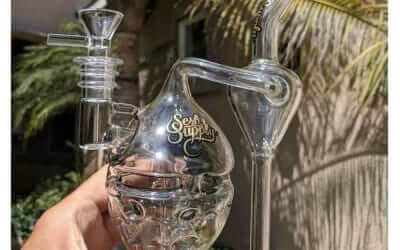
What is a Percolator Bong: All you need to know about Percolator Bong
What is a percolator bong: All you need to know about percolator bong. A percolator is a device in a water pipe that helps the marijuana smoke cool down before you take it in. It accomplishes this by causing smoke to pass into the liquid. What’s that sound that you hear when you smoke your bong? That’s a sound from percolators in action!
If you’ve ever used bongs with and without the ‘perc,’ you’ll quickly notice the difference. Your smoking experience will usually be smoother with a percolator. The secret to a good bong is diffusion. The word refers to moving a substance from an area with the highest concentration to a lower concentration in science. This happens in gasses and liquids as their particles travel from one location to the next randomly.
History of Percolator Bongs
The evolution of percolator bongs traces back to the ingenuity of glassblowers seeking to enhance the smoking experience. By the late 20th century, percolators began to appear as enthusiasts yearned for smoother hits. The introduction of these water pipe components marked a significant shift in the design and functionality of bongs. From basic diffusers to intricate honeycomb patterns, glass artists have continuously innovated to meet the demand for refined smoking tools. Today, percolators symbolize a blend of art and science, offering both aesthetic appeal and practical benefits.
Evolution and Modern Innovations in Percolator Designs
The landscape of percolator bong designs has evolved significantly over the years, with glass artists introducing innovative features to enhance functionality and aesthetic appeal. Recent advancements include detailed filtration systems that incorporate multiple percolators, providing smoother hits and increased diffusion. Modern designs often merge art with engineering, resulting in visually stunning bongs that still prioritize user experience. Innovations such as double or triple chambers and specialized percs improve cooling efficiency and smoke diffusion. These advances cater to both casual users and connoisseurs seeking a richer smoking experience.
What’s a percolator “component” of the water pipe?
A percolator is a component of the water pipe that assists in keeping the smoke of herb cool before you take it in. It accomplishes this by pushing the smoke to pass by the flow of water. Do you hear that bubbling sound that you hear when you make use of your bong? It’s the sound of the percolator at work!
How Does a Percolator Work?
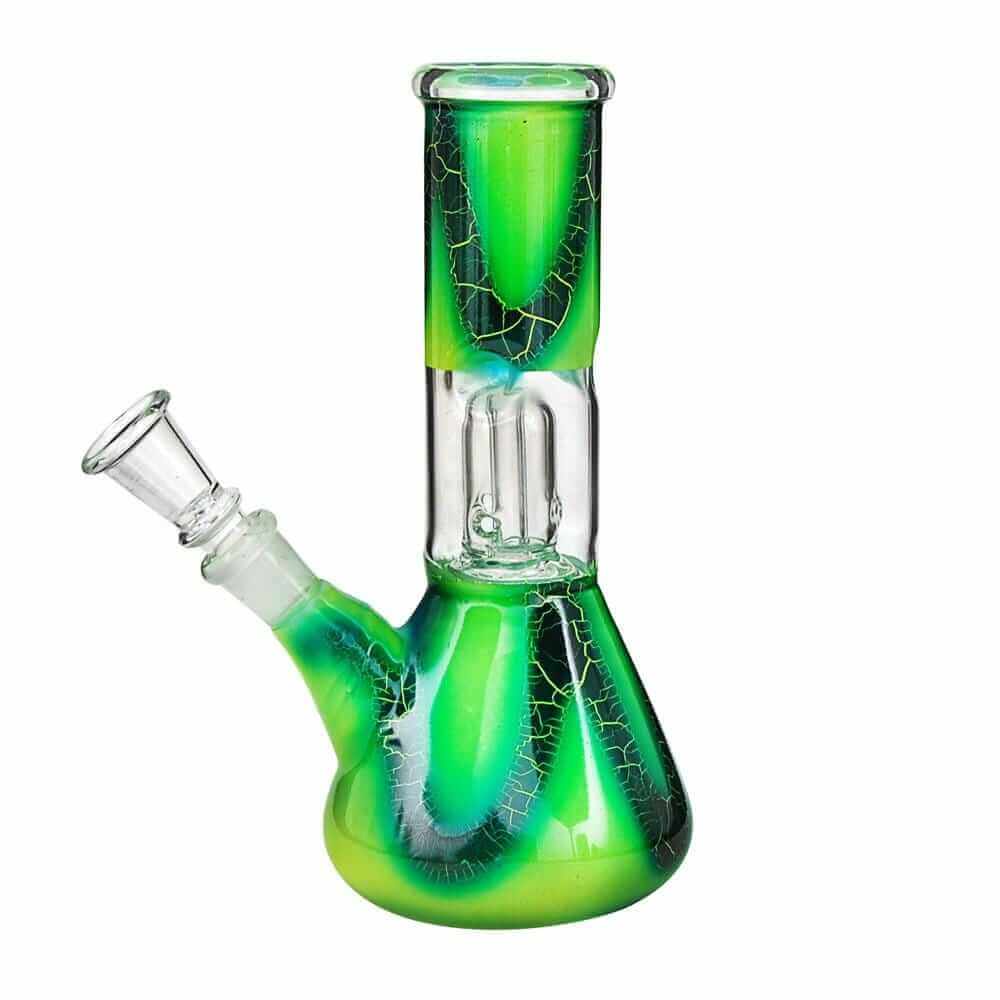
The first step is to take a look at the bong’s workings. Place your herb into the bowl, then ignite it. Smoke is removed from the water and is then pulled into the tube of your bong. The user places his lips over the mouthpiece, breathes, and then gets very stoned if he takes several hits!
If someone calls the term ‘percolator bong’ or a water pipe, they’re discussing a bong that has an attached or built in percolator. If you’ve ever tried an un-percolated bong and you’ve experienced an unintentional hit or burning throat. If you add a percolator into the mix, you gain a filtration mechanism that guarantees a smoother and more enjoyable hit. There is a variety of perks available (more on the subject later). However, they all break up the flow of water to cool the smoke while it travels across the chamber of the bong’s water. Percolators usually have domes, but there is a variety of bizarrely designed percs available.
The addition of a percolator fundamentally alters the smoke pathway. As smoke travels through these intricate components, it is broken up into smaller bubbles, increasing its contact with water. This process cools the smoke effectively, reducing throat irritation commonly associated with direct hits. Furthermore, percolators filter out impurities, enhancing flavor and ensuring a cleaner smoke. By understanding how percolator technology modifies each session, users can appreciate the increased smoothness and refined experience provided by their bong.
Materials Used in Percolator Bongs
Percolator bongs come in a variety of materials, each bringing its own set of advantages and drawbacks. Glass is the most popular choice due to its aesthetic qualities and neutrality, meaning it doesn’t affect the flavor of the smoke. High-end glass, such as borosilicate, is prized for durability and resistance to heat. Acrylic bongs, on the other hand, are more affordable and harder to break, making them a practical choice for beginners. Silicone bongs are gaining traction for being virtually unbreakable and easy to clean, appealing to those with active lifestyles.
Each bong material presents distinct advantages and drawbacks. Glass bongs, favored for their aesthetics and neutrality, allow users to savor the untainted flavor of smoke. Borosilicate glass is prized for its durability and heat resistance, making it an excellent choice for frequent users. Acrylic bongs, while less aesthetically pleasing, offer a budget-friendly and durable option. Silicone bongs, increasingly popular, are shatter-proof and easy to clean, appealing to those maintaining an active lifestyle. Understanding these material differences helps every smoker find the perfect match for their preferences and circumstances.
The perc is an additional water chamber that you can use for your bong. You usually find it inside your bong’s tube. It is filled with water and serves as an additional method of filtering the smoke of weed. When you take the smoke out of your bong, it can interact with the water inside the bowl. When the smoke is pushed through into the pipe, it is in contact with water on a subsequent occasion via the percolator. This assists in cooling and removing smoking in two different ways. In the first place, smoke gets an opportunity to contact the water, which will assist in cooling it down. Percs allow a bigger surface area for smoke to get into the water, which helps to cool it down further. The bubbles are reduced in size and then smaller because of the pressure in the perc. This results in cool and smooth bongs.
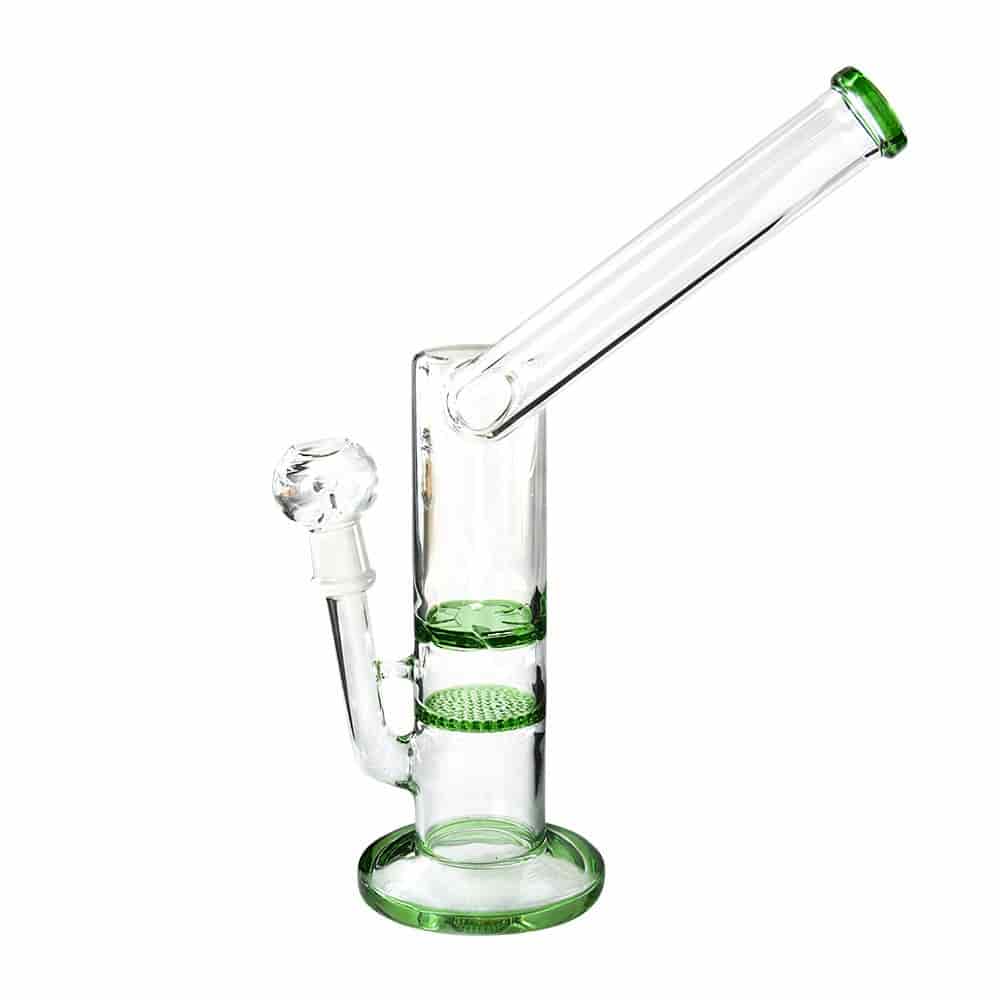
Generic Label 12″ Honeycomb Perc w/ Hurricane Side Car Oil Rig
Types of Percolator Bongs
Percolator bongs come in a variety of configurations, catering to different preferences. Straight tube bongs, often featuring multiple percs, offer direct hits with minimal drag. Beaker bongs, known for their stability, allow larger water volumes and are often paired with tree percolators for enhanced filtration. Multi-chamber bongs incorporate additional sections for better cooling and filtration. Hybrid designs combine elements from different bong types, giving users a versatile experience. These different types ensure smokers can find a bong that meets their specific needs.
Cleaning and Maintenance Tips for Percolator Bongs
Keeping your percolator bong clean ensures optimal performance and longevity. An effective cleaning routine starts with emptying the bong and disassembling its parts. Soak the components in a solution of isopropyl alcohol and coarse salt, allowing grime to dissolve. For tough buildup, a soft brush can help loosen debris. Rinse thoroughly with warm water to remove any alcohol residue. Regular maintenance prevents clogs and keeps the bong looking pristine. By treating your bong with care, you’ll protect both your investment and the purity of your smoke.
Regular upkeep is necessary for maintaining the performance of your percolator bong. Over time, resin and tar can accumulate in hard-to-reach areas, making cleaning challenging. Using pipe cleaners or soft brushes can aid in dislodging stubborn residue. Some users recommend specialized cleaning solutions, which are effective yet gentle on glass surfaces. Keeping up with periodic maintenance not only extends the life of your bong but enhances the purity of each session. These practices ensure your piece remains in optimal condition, providing smooth hits every time.
Will a Percolator Enhance the High?
The short answer is “no. The goal of percolators can be to filter and cool smoke to provide better smoking. If you’re having difficulty getting a bong to hit, add percolators to your mix and try again. It’s not going to increase THC intake magically, and neither will it give you an even more powerful high. You could end up getting more stoned due to the softness of the rips permits users to hit their bong more frequently than you usually would! But, a bong that has percolators has a very slight loss of THC than one without one. The glass in the additional chamber is the reason for the loss. Don’t worry! The decrease in THC is not significant and will not adversely affect the high. Additionally, the ease of the sensation will help you forget everything about it!
What are the various types of percolators?
Perc bongs come in many sizes and shapes, but there are a few common bongs that you can find in all smoke shops. In addition, certain bongs might include multiple percs working together to give you a better smoking experience. There are also detached ash catchers with different percs, allowing you to improve the bong you already have.
Tree
Tree percolators are among the most obvious comprised of many rods joined at the top, which look like the limbs of a tree. Air rises from the central tube and downwards through rods, cut on the bottom, spreading bubbles to the bong.
With more rods in your perc, you’ll enjoy the most efficient filtration, but the percolator made of trees isn’t the sturdiest when compared to other kinds. So it’s essential to purchase with retailers that sell solid borosilicate glass bongs that aren’t easily broken.
Inline
An inline percolator is a horizontal tube that has several openings. You’ve probably already known that more slits mean more percolation inside your bong. They are generally situated at the base of the bong and can be used in conjunction with other types of percs like showerheads.
Showerhead
It is shaped like a showerhead. These are a favorite for percolator enthusiasts. There are holes or slits in the bottom of the vertical tube which flares out to draw the smoke into a different diffusion chamber over the water at the bottom. A showerhead perc is usually be situated inside the bong’s neck and is especially common in beaker-shaped bongs.
Diffused downstem
If you’re looking to add some spice to your favorite bong, a diffused downstem could be the solution. Instead of straight glass downstems, diffused downstems have many slits in the bottom, which increase airflow to the base of your bong. Make sure you purchase the correct size downstem for your particular bong.
Honeycomb
Honeycomb percolators are one of the most sought-after percs – and for the right reason. They are made of flat discs, typically having more than one, and adorned with several tiny pores (hence their name). They’re usually located inside straight bongs, stacked over each other to create more chambers for smoke to move through.
Conclusion
This isn’t the complete list of every variation of a percolator available. It’s never a bad idea to inquire with the cashier in your local smoke shop what perc does and, if you’re buying on the internet, look up the information before clicking “pay now.” Shopping for glass is an individual experience, so you need to think about how you live when selecting. Perhaps you’re looking for a practical piece that is simple for cleaning, or you’re looking for a unique experimental piece that comes with three percs that can deliver the most potent hit. In any case, the ideal bong for you is there; it’s just a matter of finding it.
How to Hide Your Bong
Do not put your bong under the mattress or in a dark corner. This isn’t going to work. If your friends or family, or anyone else you share your home with is looking to locate your bong, they’ll be looking around first. This is why you have to think of ways to make it more attractive. One way is to put your bong in an old backpack that you do not utilize. For example, let’s say there is a bag you use for daily activities and transporting things around. This backpack is a common sight to all, and it’s not a good place to hide bongs. However, if you’ve got another bag that sits around the room without use, it could be the perfect location to hide a bong.
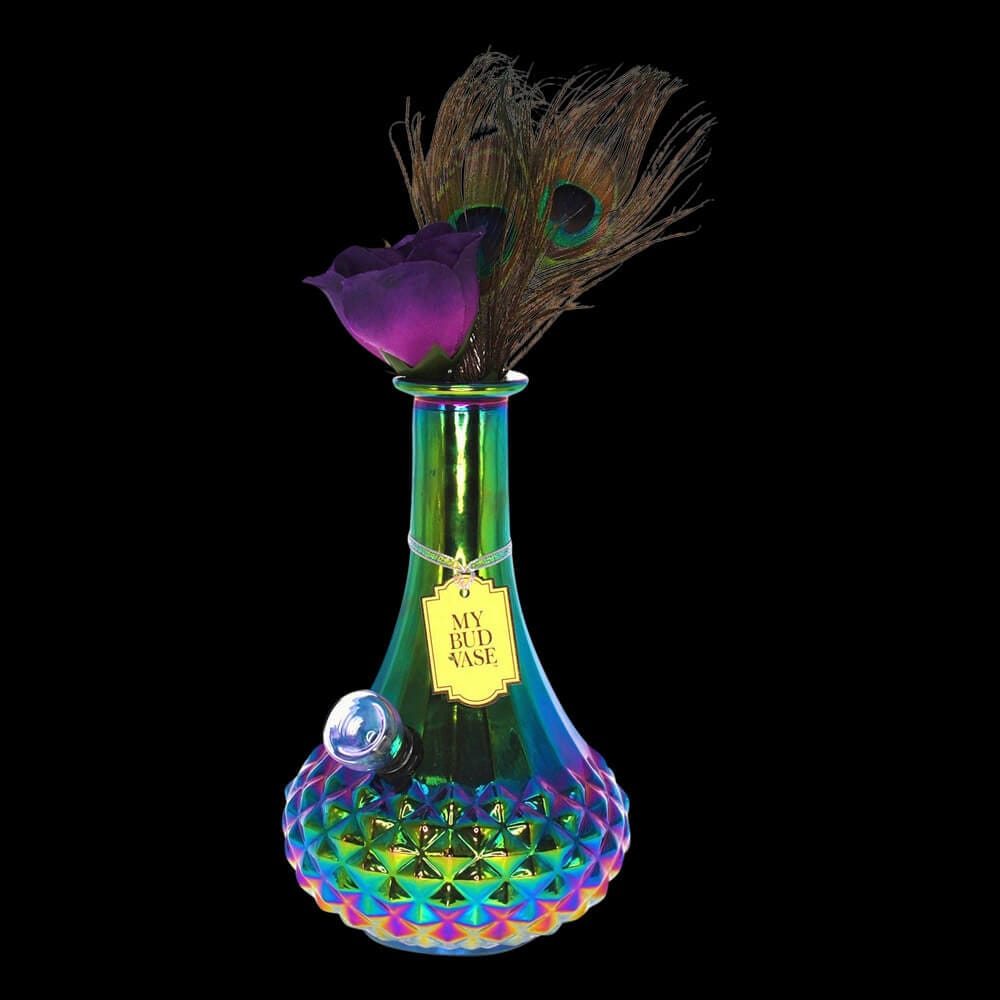
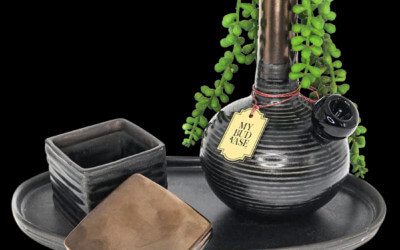
My Bud Vase Aurora Water Pipe
First of all, nobody would think you’d use it, as it is your primary, most-used backpack. To hide the bong (which typically are pretty high), it is necessary to have enough space. And a bag will do. Additionally, bongs can come with that lingering scent of cannabis after smoking, and leaving them exposed to the elements could tell your body in a matter of minutes. However, putting it inside a backpack with many layers means the smell won’t be released, so you’ll feel relaxed.
If you’re a marijuana user who is a fan of bongs, it’s possible that you have to figure out how you can hide your bong to ensure that it does not draw unwanted interest. You can conceal your item out of sight using disguised bongs or discrete bongs. They blend naturally into their surroundings, and nobody will be able to tell the difference (unless you, of course, let them know). We’ll show you a few ways to hide a bong well that you could forget where it was.
Legal Considerations for Owning a Bong
Understanding the legalities surrounding bong ownership can help you stay informed and compliant. While bongs are primarily sold and used as tobacco pipes, their legality can vary significantly depending on your location. In some areas, possession of a bong is perfectly legal, while in others, it can be closely monitored under specific regulations. Know your city or country’s stance, as some places have harsh penalties for paraphernalia associated with illegal substances. Checking local laws can prevent any unforeseen legal troubles.
Legal Status of Bongs in Various Countries
The legal status of bongs varies significantly around the world, and knowing these differences can be important for users. In Canada, bongs and cannabis-related paraphernalia are legal throughout the country following the Cannabis Act of 2018. This act allows adults to possess and use cannabis and related items without legal repercussions, allowing for open consumption within prescribed legal frameworks.
In contrast, in countries like Japan, possession of cannabis and its paraphernalia, including bongs, is strictly prohibited under the Cannabis Control Law. Violators face severe penalties, including imprisonment, showing a stark difference in legal approaches.
In the United States, the legality of bongs depends on each state’s stance on cannabis. States like California and Colorado have legalized cannabis, making bongs legally available for purchase and use. However, in states where cannabis remains illegal, possession of bongs shouldn’t be an issue if used for tobacco and other legal substances.
Where to Hide a Bong
If you’re trying to find good places to put a bong, think about your surroundings. Put your bong in a sort of container and return the container to its natural environment. It might seem odd (and you may think that you’ll get caught out the very first time you’re hosting guests). However, it’s among the best strategies to conceal the bong. Here are some of the most effective locations to hide your bong.
Effective Product Storage Options
For those seeking more specialized storage solutions, several products are designed to keep bongs concealed and protected. Odor-proof bags made with activated carbon linings help contain any lingering smells, offering a reliable option for discretion.
Hard-shell cases with padding are ideal for glass bongs, providing protection against accidental damage, especially during travel. Some pieces of furniture are specifically crafted to include hidden compartments, offering a clever way to incorporate bong storage into everyday household items.
These products add an extra layer of security and concealment, giving users peace of mind about both safety and privacy.
Using Old Boxes to Hide Your Bong
The best way to conceal a bong requires having several alternatives. There are many other boxes you can choose from, such as shoeboxes, board game boxes. Whatever you decide to use, make sure you keep this crucial point in mind: don’t put it unused in your office or an unattractive spot in your home. To remain unnoticed, it must blend naturally with the surrounding. In some instances, it’s inside your closet. If it’s the game box, it may be located between a few other game boxes for board games on the shelf of the living area. Make sure you hide it in a group of similar objects.
Materials That Mask Odors
To tackle the persistent odor bongs can leave behind, consider using odor-absorbing materials. Activated charcoal bags are highly effective at neutralizing smells, making them a smart addition to any hiding place. Odor-absorbing gels or deodorizers can also be beneficial. Placing these near or inside the storage area helps ensure that even the most discerning noses won’t detect anything suspicious. It’s an easy way to enhance discretion while keeping your hiding spot intact.
Hanging a Backpack in the Corner Closet
Many people out have a closet that’s stuffed a bit too tight with clothing and other items. If this sounds similar to your closet, then guess what? You’ve found one of the best locations to keep the bong. To hide it, you’ll require either a backpack or a duffel bag. Put your bong in the bag carefully and then place it inside with old t-shirts and other items you’ve accumulated. This way, in the chance that someone wants to dig through the contents, they’ll be able to find the entire junk first. It’ll be too messy for them to delve through, and they’ll likely leave it there.
Security and Privacy Tips
Maintaining privacy is just as key as finding the perfect hideaway. Store your bong in personal spaces that house only your belongings, ensuring shared spaces do not unexpectedly reveal your secrets. Be mindful of pictures, social media, or visits from friends, as casual hints can expose your bong’s location. Implementing these privacy practices not only protects your bong’s location but also helps in safeguarding your personal space and habits from prying eyes.
Safety Precautions When Storing Bongs
Proper handling and storage techniques are important to protect your bong from breakage. Glass bongs, in particular, require careful storage to prevent damage. Use bubble wrap or padded cases for extra protection, especially if you move them frequently.
When placing a bong in storage, ensure it’s on a stable surface away from the risk of falling or being knocked over. Lift your bong storage by choosing areas less prone to traffic and vibrations, which can lead to accidental tipping.
Being mindful of storage conditions not only prolongs the life of the bong but also avoids unfortunate breakage incidents.
Suitcase and Luggage are Perfect Bong Hiding Spots
Most people do not take the time to empty their bags after returning from a vacation or put them off for a couple of weeks (if they don’t need to wait for more than that). A packed suitcase is a great space to keep the bong. It also provides the perfect place to store it that doesn’t need explanation. Place your bong in the luggage, and then add clothes and other objects you could take to your next vacation. If you open the container, it’ll appear like you’ve forgotten to take it out at the end of your holiday.
If you choose to hide it this way, the general rule is to place it so that nobody can see it even glance. However, you should be able to pull your arm into it, take some turns and then locate it with ease. The rest of us will have to rummage through your clothing to find the bong, which many people will not do. When you are packing your suitcase, please place it in the same place you usually keep it. It could be in the closet in your hallway or bedroom. It is natural, and nobody will ever question its location.
A Water Bottle Acting as a Disguisable Bong
We all recognize the importance of drinking water. There’s a good chance you’ve got one or two around at home. So the addition of another won’t be odd, even if it’s not an actual water bottle.
Bongs such as the Thicket bong don’t look like bongs in any way and can be an excellent method to disguise the bong. The bongs disguised as water bottles look like water bottles that can be reused. They have a base that Thicket bong can be removed and revealed as an internal storage compartment that houses the neck and bowl made of glass. When you open the cap, it creates an attractive glass-topped item. When you place it on your desk or in your bag, it appears like a plain water bottle. It is that until you begin to pull it apart and put it back together to take a knock.
The best thing about an unintentionally disguised bong that appears precisely like water bottles is that it’s simple to fool people who aren’t aware. You may even overlook the fact that it’s an actual water bottle. Just ensure that you don’t take a drink through the straw!
Cleaning and Maintenance for Hidden Bongs
Regular cleaning and maintenance ensure your bong stays fresh and odor-free, even in hiding. Consider using cleaning solutions that specifically target residue build-up. This not only avoids pungent odors but also prolongs the life of your bong. Make it a routine to check and clean your bong, ensuring its readiness without drawing attention. A clean device is less likely to emit smells that can lead to unwanted questions.
Don’t Be Afraid
If you’re a bong smoker, we know the anxiety you face that someone might be able to discover that you’re smoking herb with the bong. If you consider it right and choose the best location to hide, we can almost guarantee that nobody will ever find out. If you don’t provide anyone with any reason to inquire about using a bong or smoking from a bong, nobody will ever ask, and that’s important to be aware of.
Conclusion
It is not everyone’s idea to put their bongs at the center of their coffee table or be openly visible to everyone who sees them. Some prefer to keep their bongs hidden. How to conceal the bong and how to hide it is based on its size and style. It is possible to put it in a container or backpack and store it away in your closet in most instances. You can also find many hidden bongs that resemble normal household objects. Mini or collapsible bongs are also fantastic options and excellent alternatives. The process of figuring out how to hide the bong is quite simple. First, be sure to keep track of the place you put it. If you put it in an area that is not well, you could not remember where it was.
How does a bong actually work? These Myths about Bongs
The history of the humble bong dates back thousands of years. Ancient cultures used the bong to enjoy drugs such as marijuana and opium. The earliest evidence of bong use can be traced back to the Scythian tribes in Central Asia around 2400 years ago. Archaeological discoveries in Russia have unearthed bongs made of solid gold. Additionally, bongs used for ceremonial purposes have been found in ancient African tribes, crafted from bamboo and earthenware, highlighting the cultural heritage and significance of bongs beyond recreational use. From the 1960s, the bong has become more popular. The glass pieces made by bong masters can be purchased for thousands of dollars today. In this article we will learn about how a bong actually work.
To have a complete knowledge of bongs, click here
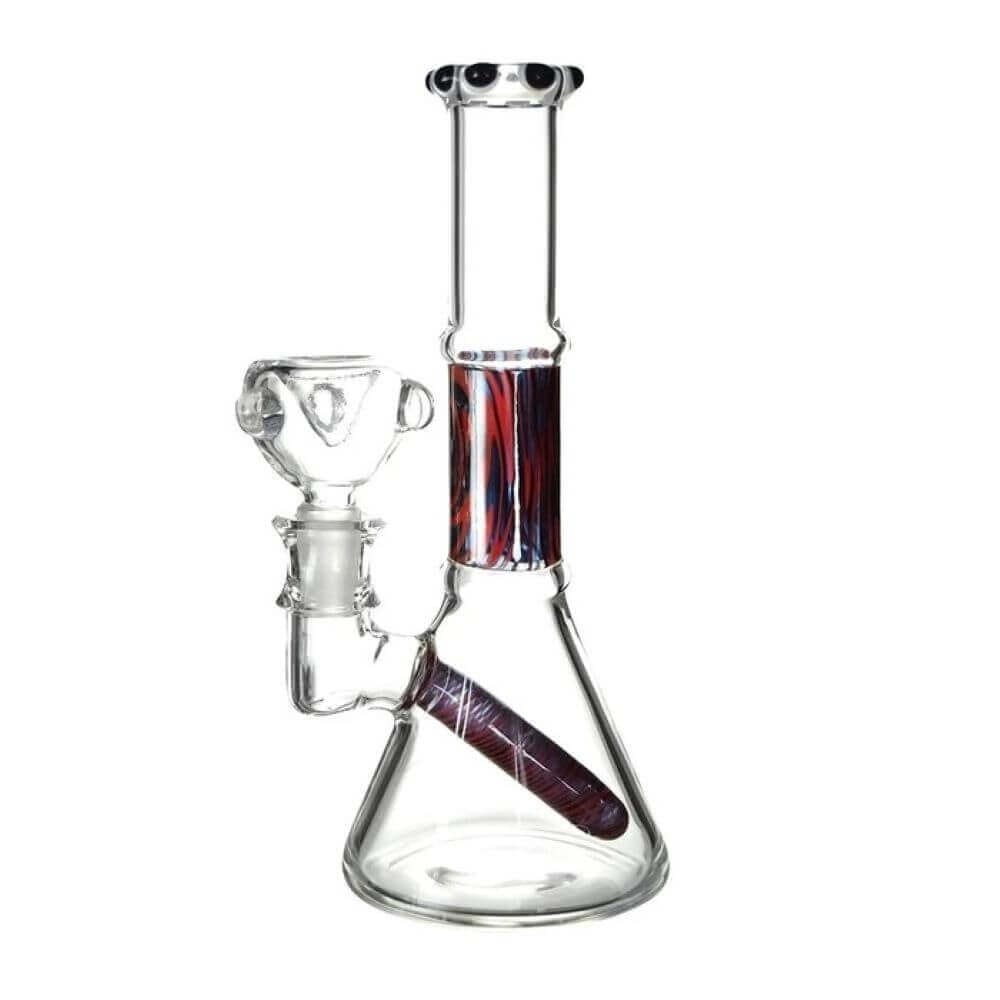
A bong, or water pipe, is one that has a small chamber on the one end. A bong can be held like a straw by someone who then smokes into the chamber through the other end. The term “bong,” which is derived from the word “bowl”, originally meant a bowl made from clay or wood. Later, the term “bong” was extended to include any vessel in which liquid can be poured. Today glass pipes are more common than water pipes, such as those found at your local hardware shop. Bongs are a common item that has been used since ancient times. They were originally called “water pitchers”.
Bongs come in various materials, each offering distinct advantages. Glass bongs are popular for their transparency and ease of cleaning, while plastic bongs are generally more affordable and less fragile. Ceramic bongs often boast intricate designs and offer a different aesthetic appeal. Metal bongs, though less common, are known for their durability. Each material influences the user’s experience, from taste to portability.
Materials Used in Bongs
Bongs are crafted from various materials, each offering unique benefits. Silicone bongs, for instance, have gained popularity due to their durability and flexibility, making them ideal for on-the-go use. Unlike glass, silicone bongs can withstand drops without breaking, providing peace of mind for their users. Additionally, when considering the environmental impact, glass remains the most sustainable, being fully recyclable with no reduction in quality. Consumers should weigh these factors alongside personal preferences when choosing their preferred bong material.
How Does A Bong Actually Work?
Now that we have an overview of the history, parts, and uses of modern-day bongs, we will turn our attention to the question “How does bongs work?
The bowl-end of a bong’s bong is where the smoking begins. The mechanics of the bong are actually at the mouthpiece. Place the mouthpiece on your tongue and inhale slowly. Next, you need to light the ganja bowl and let the smoke flow through the downstem into the bong. The real magic of a bong happens at this point. Water is heavier than smoke. That is why smoke will rise, while water will stay still. You are trying to pull the contents from the base into the tube by smoking, so the smoke will rise through the water and “percolate” into the tube.
Percolation does two things: It cools and filters marijuana smoke. The water in base acts like a net to trap unwanted particles, such as ash. Because marijuana cannabinoids or terpenes are not water-soluble the majority will percolate through it into the tube. For cooling, most flames can burn at around 2,000 degrees Fahrenheit (About 93 Degree Celsius). Although the smoke produced by your cannabis isn’t as hot as it looks, it can still reach several hundred Fahrenheit if inhaled directly.
Innovative features have also been integrated into modern bongs to enhance the experience. Ice catchers allow users to add ice cubes to cool the smoke further, providing a smoother hit. Multiple percolators offer additional filtering, contributing to a cleaner intake by breaking up the smoke and spreading it through more water. These advancements reflect a growing trend in optimizing bongs for better performance and ease of use.
Innovations in Bong Design
Recent design enhancements focus on user experience and cleanliness. Ash catchers are a notable innovation, preventing debris from entering the chamber and damaging the bong or affecting the hit. Splash guards provide another layer of functionality, ensuring water doesn’t reach the mouthpiece during use. These design elements contribute to a cleaner and more enjoyable session, demonstrating how ongoing innovation continues to transform traditional bong use.
Hopefully this answers the question about how a bong actually work.
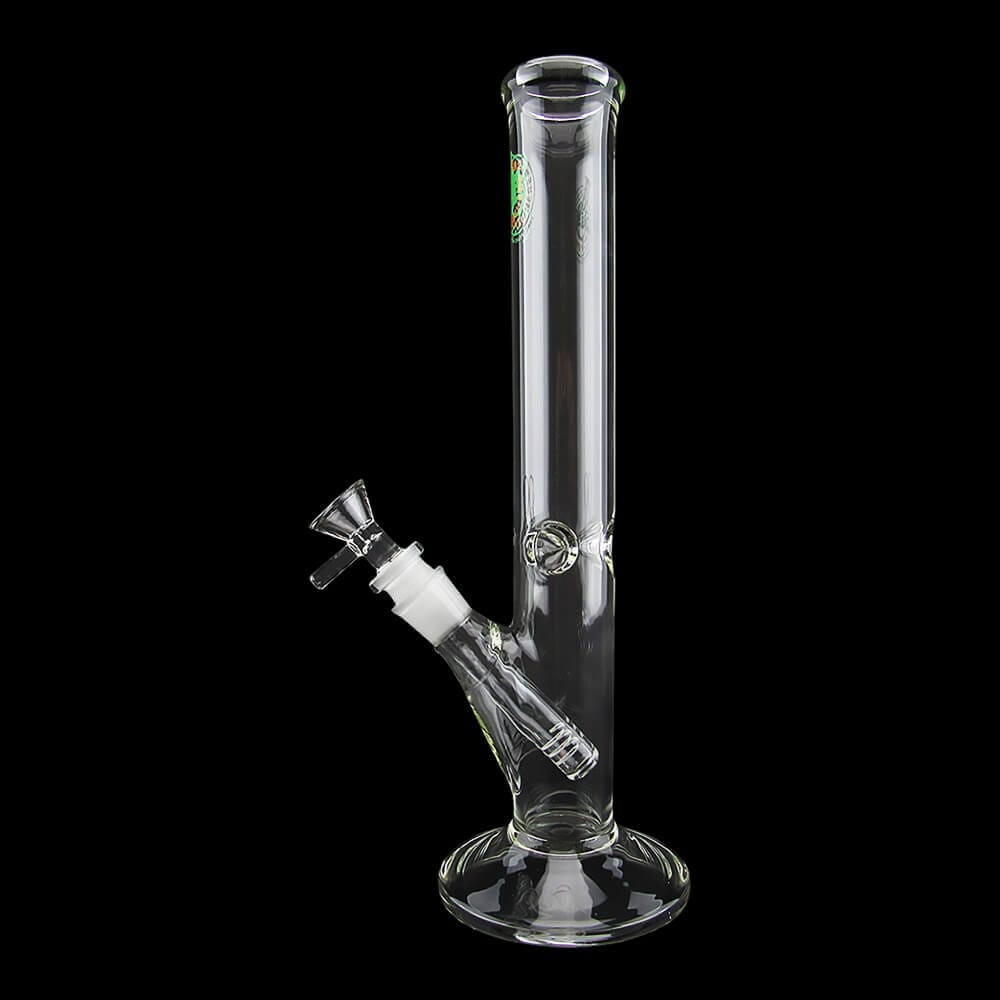
The great thing about bongs is the fact that the water in their base, which can be either hot or cold, will cool the smoke. Cooler smoke makes it easier to inhale.
Should You Use a Bong?
The direct answer is yes! You don’t have to worry about the costs of buying a bong and how long it takes to maintain it. If you aren’t sure whether you want to purchase your own bong, you could ask a friend to give it a try. They can even bring some of the pot and you can share the hits. If you love the bong of your friend, you can purchase one for your personal use. If you don’t feel like using a bong you can always use one of the many cannabis alternatives such as edibles, tinctures or oils.
Why Do People Use Bongs
The bong acts in the same manner as a wet sponge or a bottle for cleaning up pollutants and dust from different gases. The main purpose of a bong, aside from cooling down smoke, is to filter out other particles. With a transparent bong, it is easy to see what a bong does. Smoke from a bong can come in contact water. Other heavy elements like ash and unburnt materials get trapped and are filtered. Negative pressure is created when a person draws on a bong. This forces smoke to bubble through water by passing through the stem from the lit cone. There is a small hole in bongs that can be called a choke (shotty, carby), etc. After you take a smoke, the cone is exposed for clearing the pipe. The cone can also be lifted from the stem so that clean air rushes can be facilitated.
The Myths about Bongs
Can bigger bongs cause more harm than smaller ones?
Bongs come as a range of sizes and shapes. Some are designed for dry herb use, others for dabbing. There are many factors that affect the overall quality of bongs, beyond the size of the glasses. While larger bongs will hold more smoke per gram, overall quality can also be affected by other aspects of the glass. Different size and add-ons may affect the quality of the smoke delivery.
Are they better for your lungs?
A bong is the best choice for smoother smoking than weed rolled in paper. The water in the bong replaces the dry heat of smoking joints. The effect is described as cooler as and creamier than harsh. The illusion of a smoother smoke can be misleading. While smoother smoking may feel better for your lungs but you still smoke. This smoke is still filling you up with harmful particles (we won’t bore you with the details). Some of the bad stuff may get removed. It doesn’t make much difference. It’s true that stories about bongs as the safer way to smoke marijuana are based on junk science. When it comes to medical research, bong safety is not high on the priority list. This could change as cannabis is legalized in more places.
Research indicates that while the water filtration in bongs may decrease the harshness of smoke, it doesn’t eliminate the presence of carcinogens entirely.
Health Considerations When Using Bongs
It’s important to consider the health implications associated with bong use. Regular maintenance, such as thorough cleaning with isopropyl alcohol and salt, reduces the build-up of harmful residues and bacteria. Studies suggest that water filtration can lower the intake of harmful chemicals compared to direct smoking methods. While bongs may offer a smoother smoke, users should remember that no method completely eradicates health risks, making moderation and cleanliness key practices for consumer safety.
Scientific studies suggest that bongs can reduce the intake of certain harmful toxins compared to smoking joints, as the water acts to filter out some tar and ash particles. However, the extent of harm reduction is debated, and it’s crucial to note that smoking any substance involves health risks. Research indicates that while the water filtration in bongs may decrease the harshness of smoke, it doesn’t eliminate the presence of carcinogens entirely.
Can smoking for longer periods of time affect you?
This issue has been much debated in the community for years. While some say that smoking makes you stronger, others disagree and find it more uncomfortable. Although many agree there is an obvious difference in the way the smoke hits your head when you hold it in, this is not the result of taking more THC. It is actually caused by a loss of oxygen and an increase to heart rate.
Does Coughing make you higher?
The fact that coughing occurs between smoking sessions doesn’t mean it will cause you to smoke more. The feeling of being higher is evident after exhaling smoke for more than five minutes. You may not feel like your heart rate is increasing, but it will. While it is easy to mistake a faster heartbeat for a stronger rip, the likelihood that you are coughing more is slim. It could be due to irritable lung disease, inflammation, or dry mouth. Allow your body’s natural response to coughing to be your guide. It can also indicate your body’s need for you slow down or to take smaller doses.
Legal status
The legal status of bongs varies across countries and states. In areas where cannabis is legalized, bongs often enjoy a similar status, yet their use can still be stigmatized culturally. Over the years, as cannabis regulations have evolved, the perception of bongs has shifted from a symbol of illicit drug use to a culturally accepted tool for cannabis consumption. This shift reflects broader societal changes in the acceptance and normalization of cannabis use.
Legal Status and Cultural Perception Globally
Across the globe, the legal status and cultural perception of bongs vary significantly. In countries like Canada and Uruguay, where cannabis is legalized, bongs are largely accepted both legally and culturally. However, in regions like Asia and the Middle East, where cannabis laws are stricter, bongs may still be perceived negatively, regardless of their legality. Understanding these distinctions is important for users traveling internationally, as the legal and cultural landscape can affect their experience abroad.
Cleaning and Maintenance Tips for Bongs
Proper cleaning and taking care of bongs is necessary for optimal use and longevity. Regular cleaning prevents the build-up of residues that can alter flavor and harbor bacteria. A common cleaning method involves soaking the bong in a mixture of isopropyl alcohol and coarse salt, which helps remove stubborn stains and grime. Rinsing with warm water afterwards ensures any lingering alcohol is cleared. Consistent maintenance not only enhances the smoking experience but also extends the life of the bong, making it a worthwhile investment.
Conclusion
So, how does a bong actually work. It is common for sessions to be misunderstood. Make sure you are fully informed about the risks and length of all techniques available before you decide to try them. While some of these can be completely safe, others can have serious long-term effects if you continue to use them. Smoke responsibly guys!
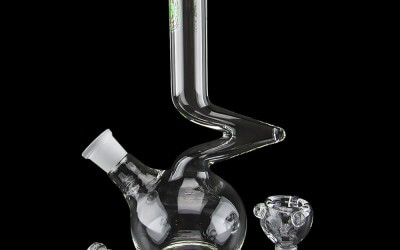
How are Bongs Made
A bong is a smoking device also known as a water pipe to smoke herbs, tobacco, and other smoking substances. It is a filtration device that filters the smoke and makes it smoother and less harmful for your lungs. Bongs are used commonly by smokers for recent few years. It comes in many styles and designs according to the needs and tastes of smokers.
History of Bongs
Bongs have a rich history that traces back to ancient civilizations. Originating from the Thai word “baung,” traditional bongs have been used for centuries in regions such as Africa and Asia. Evidence suggests their use in China around 1100 A.D., where they were crafted from bamboo. These early devices held cultural significance, often used in rituals and ceremonies. Over time, bongs evolved in design and material, adapting to various smoking customs around the world.
How are Bongs Made?
Although bongs come in different styles and designs, however, bongs have similar machine work and parts used to filter the smoke that comes out from herbs.
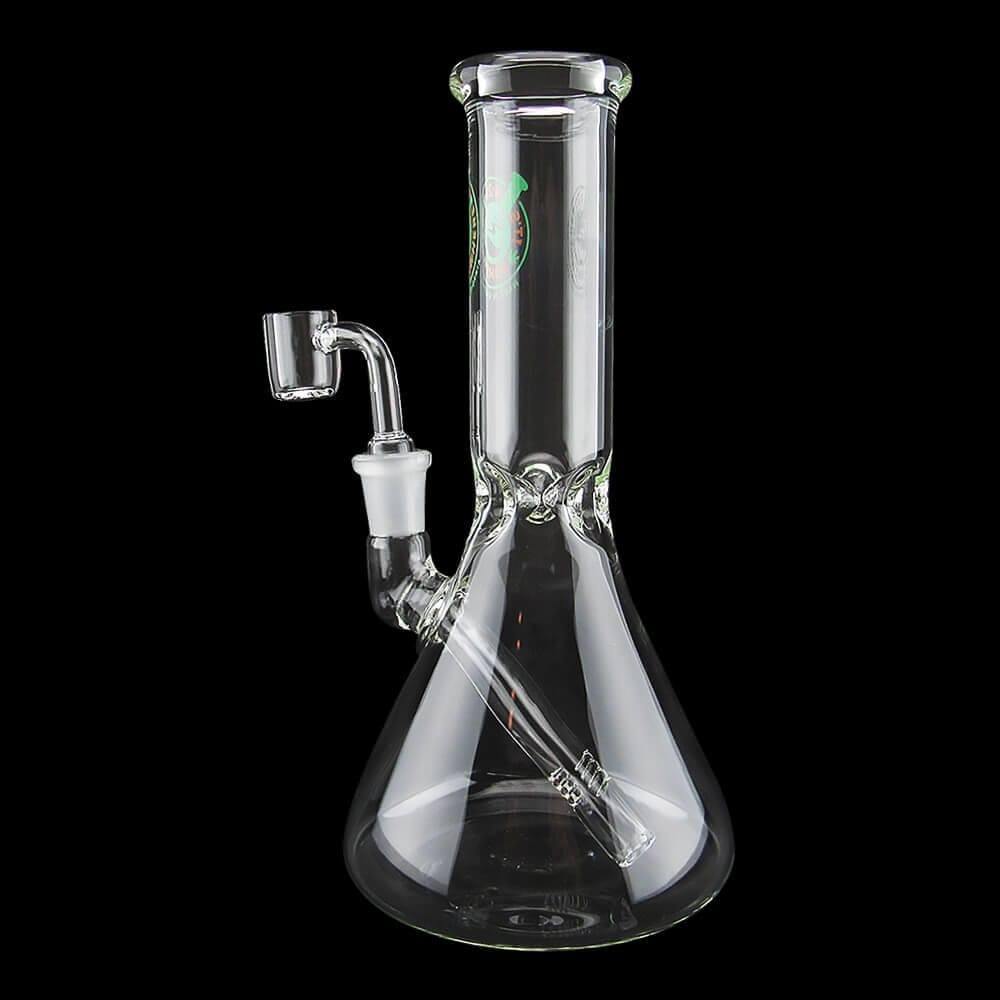
Bongs are made over a core technique that is similar in all types of bongs. They may be simple or complex according to their designs and the material used. They also contain some additional components such as percolators and ice catchers make them unique and different.
Types of Bong Designs
Bongs are available in several distinctive designs, each offering a unique smoking experience. The beaker-shaped bong, recognizable by its wide, stable base, provides increased water filtration. Straight tube bongs are simpler, easier to clean and maintain. Multi-chamber bongs, or recyclers, feature additional chambers where smoke is further cooled and filtered, enhancing smoothness. Each design caters to different preferences and purposes, with variations in functionality and aesthetics.
Modern Bong Innovations
Recent advances in bong technology have brought innovative features to enhance the smoking experience. Some modern bongs incorporate electronically controlled temperature settings to customize the heat for different smoking substances, improving both flavor and smoothness.
LED lighting is also popular, adding aesthetic value with color-changing effects that can create a more enjoyable atmosphere during sessions. Also, modular bong systems now allow users to personalize their setup by mixing and matching parts, catering to individual preferences for style, size, and function. These innovations offer smokers more variety and control over their experience.
Components of a Bong:
Bongs are available in different sizes, styles, and designs, but all types of bongs have the same components, and the function of these components is also the same. Here we will discuss the main parts of bongs and their construction, which are present in all types of bongs.
Lets jump to the section about how are bongs made?
Build the Water Chamber:
The first step to make a bong is to form a water chamber that is the base of the entire bong; it is present in all water pipes. The water chamber is made of glass or other material. For making a water chamber, the glassblowers use a blowtorch to heat the glass. Heat expands the glass, and the artist gives it the desired shape. For this purpose, the artist needs to rotate the glass continually to give it the desired shape.
When the glass is hot, the bong maker gives it a shape of a water chamber according to the bong design. He uses a tool to make a hole inside the water chamber, and it is commonly where the downstream of the bong will fit.
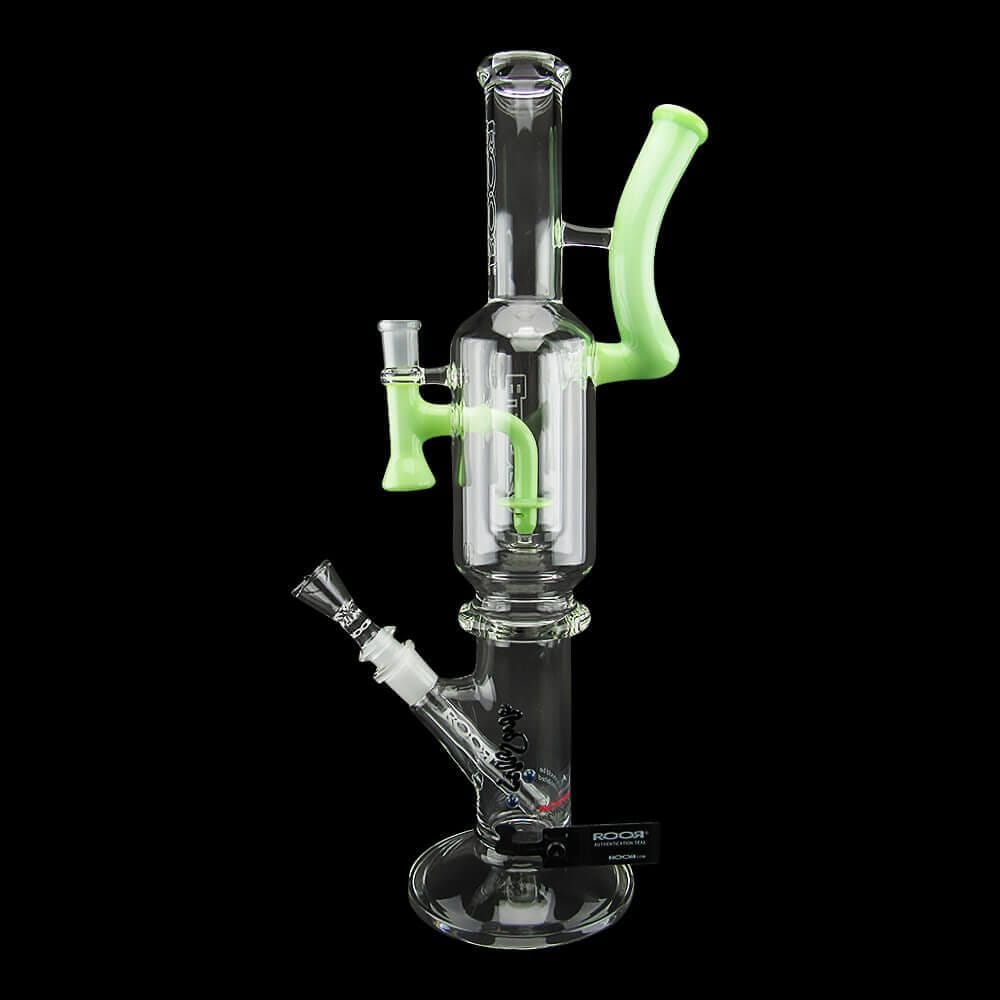
Making the Stem:
In second step after making the water chamber is to make the stem or neck; connects the water chamber with a bowl or bong. The glassblower applies more heat above the water chamber, and it expands in the form of a cylinder. The blower rotates the glass to give it a shape of a cylinder and makes the neck of the bong. This cylinder or tube is wider and longer than another water tube of bong. After making the neck of the bong, the artist joins to its base by using a spinning tool known as a lathe.
Making the Mouthpiece:
The third step is to build the mouthpiece of the bong for smoking the herbs, tobacco, and other substances. When the neck of the bong is complete, the artist makes the mouthpiece that is on the top of the stem of the bong. For making the mouthpiece, he heats the glass again. He separates the extra length of the neck and attaches the mouthpiece smoothly with the neck of the bong. He rotates the pipe of the neck to give it a specific shape and size. Then he smoothly makes the neck of the bong into a mouthpiece.
Bowl and Downstem:
In most bongs, the bowls and down stems are removable to make it easy to clean the bong device. The diameter of the bowl and downstem is smaller than the size of a bong. It must be fit into the hole of the water chamber and on the right side of the downstream. The bowl is used to put the herbs, tobacco, and other smoking substances.
Material Used in Bongs:
Bong is an important factor in choosing the best bong device for you. Most bongs are made of plastic or glass but other materials are also used in bongs. Here we will discuss the types of material used.
For a more in depth article on materials used in bongs, click here
Glass Bongs:
Glass bongs are the most common types of bong; smokers use because they give a pure and clean taste of smoking substances. These types of bongs are easy to use and clean because they have a removable bowl, and there is no complexity in their design.
Glass bongs offer the advantage of providing a clean taste and are often preferred for their aesthetic appeal. However, they can be fragile and require careful handling. Silicone bongs, in contrast, are virtually indestructible and offer high portability, making them a practical choice for travelers.
While silicone may slightly alter the flavor, its durability compensates by providing long-lasting service, and it is easier to clean due to its flexible nature. Each material offers different benefits to accommodate varying user needs and settings.
Ceramics bongs:
Ceramic is another material that artists use to make bongs. Ceramics bongs are heavier than other types of bongs due to the nature of the material used in their building. Ceramics is a durable but also expensive than other materials used for making bongs. The bongs made of ceramics have more options regarding colors, sizes, and designs.
Silicone Bongs:
Silicone is another material that is not too expensive but durable, and there is no risk of breaking if you keep it with care. It does not cost high, and you can also use it during your journey anywhere because it does not break easily. The bongs made of silicone may affect the taste of smoke slightly.
Metal Bongs:
Metal is a very durable material that is used in making bongs. But the metal bongs are rarely available in the market due to expensive materials. It also does not affect the taste of smoke, and you can use a bong made from metal for a long time.
Bamboo Bongs:
Bamboo is another common and simple material used in bongs. People have been using bamboo bongs since ancient times. You can use these bongs for a long time if you take care of them and do not affect the taste of smoke.
Traditional craftsmanship in creating bamboo bongs has been practiced for centuries. Artisans carefully work the bamboo, applying techniques passed down through generations to ensure each piece is both functional and aesthetically pleasing. Rooted deeply in cultural tradition, bamboo bongs require skilled handiwork to achieve proper airflow and durability.
This natural material offers a distinct, earthy flavor and is often celebrated for its environmental sustainability. When maintained properly, a bamboo bong can provide a sturdy and authentic smoking experience for years.
Maintenance and Cleaning of Bongs
Regular maintenance is crucial for preserving the functionality and longevity of bongs. To clean a bong, use a combination of isopropyl alcohol and coarse salt to remove resin buildup. Rinsing thoroughly with warm water ensures no residue remains. Cleaning prevents bacteria growth and maintains the purity of the smoking experience. For glass bongs, brush any delicate parts with care to avoid damage. Regular upkeep not only extends the life of your bong but also enhances the smoking quality.
Health and Safety Considerations
Understanding the potential health impacts of using bongs can inform safer practices. While water filtration can reduce some harmful substances, it does not entirely eliminate health risks associated with inhaling smoke. It’s important to maintain cleanliness by regularly washing components to prevent buildup of bacteria and resin.
Users should be cautious of water levels; improper amounts can lead to inadequate filtration or water inhalation. Choosing the right material is also crucial; glass and silicone are generally safer for temperature resistance and non-toxicity, unlike some plastics that might release harmful chemicals when heated.
Some other Accessories:
Although all types of bongs have the same components regardless of the material used in them. Some bongs have extra components or parts like percolators and ice catchers. Glass bongs have these pieces that add more versatility and beauty to them.
Ice Catchers:
An ice catcher is a circular tray that fits inside the stem or neck of the glass bongs, for holding ice cubes. The function of these ice cubes is to cool the smoke and give a unique taste to other types of bongs. This trey contains holes inside it and fits into the bong’s neck.
Percolators:
Percolators are available in different sizes, designs, and shapes; used for creating bubbles in the water chamber. This bubbling action is a unique function of percolators that makes percolator bongs different from ice catchers and a simple bong. You pull the smoke from the water chamber for performing the bubbling action in percolators. There produce a lot of tiny bubble in water chamber which make the smoke smooth and tasty.
Common Mistakes in Bong Usage
Users often make simple errors that can affect the bong’s performance and user experience. Overfilling or underfilling the water chamber is a common mistake, impacting filtration effectiveness and potentially leading to water inhalation. Additionally, neglecting regular cleaning not only degrades taste but can also pose health risks due to bacteria and mold growth.
Selecting the wrong bowl or downstem size can lead to poor smoke draw, reducing efficiency. Ensuring all components are correctly fitted and maintained will improve functionality and prolong the life of the bong.
The Anatomy of a Percolator
Percolators are vital in providing a smoother smoke by diffusing it through water, creating bubbles that cool the smoke. Various types exist, including tree percolators, which have multiple branches for enhanced diffusion, honeycomb percolators known for their flat, disc-like structure promoting efficient bubbling, and showerhead percolators that use a slitted tube for even distribution. Each type offers its own level of filtration, imparting a distinct flavor and texture to the inhaled smoke.
To know more about percolators, click here
The Bottom Lines:
Bong is a smoking device having a large variety in its shapes, designs, and types of materials. Smokers prefer to use bongs because they give tasty and smooth smoke. The bongs have a water chamber, a neck, a bowl, and a mouthpiece. Artists use a large variety of materials to make bongs as glass, metal, bamboo, ceramics, and vinyl. Besides these main components, percolators and ice catchers are also used in bongs to give the smoke a different and unique taste.
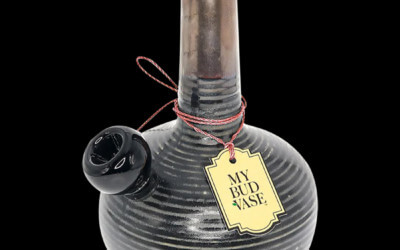
What is a Bong? A short description of Bongs
A bong is an old device; people used it for smoking herbs through a pipe heating the herbs or other substances in a bowl from water steam. The origin of this smoking device came from Thailand, and the name of this device also came from the Thai word “baung”. People of Asia and Africa have also used this smoking device between 1100 and 1400 CE.
Historical Significance and Cultural Uses
Bongs have been an integral part of many cultures, particularly in Asia and Africa. In Thailand, the traditional use of bongs evolved from local practices of smoking herbs, with these devices often crafted from bamboo or other readily available materials. In Africa, similar devices were used for both recreational and ceremonial purposes. The design and function of bongs have been passed down through generations, adapting over time but retaining their core aspects. Understanding these roots provides insight into how bongs have spread globally and paved the way for modern adaptations.
What is a bong? A short description of bongs
A bong is a smoking device used to smoke dry herbs, also known as “Water Bong” due to having a type of water pipe. This device filters the smoke produced by dry herbs when heated by water through diffusing. Bongs are available in a large variety of sizes and shapes, but in all types, the anatomy of bongs remains common.
Bowl:
In all bongs, the bowl is the main part for putting the herbs or other smoking substances in the bong.
Stem:
A stem is a tube that goes down through which the smoke travels to the mouthpiece for smoking
Water chamber:
The water chamber is present in a bong to fill water and produce heat for diffusion to heat the herbs.
Mouthpiece:
A mouthpiece is used to inhale the heated herbs in the bong. In different types of bongs, the mouthpiece may be at a different location.

Types of Bongs:
Bongs are one of the most widely used smoking devices in people for many years; smokers use this device for smoking. The function of all bong devices is smoking, but there is a large variety of styles and designs. There are different types of bong according to the design and shapes of this smoking device. They come in various designs and styles; each style gives a different experience of smoking to smokers. Smokers choose this device according to their taste and function of this device. Durability is also another factor in selecting this device.
Materials Used in Bong Construction
Bongs are constructed using a variety of materials, each offering specific benefits. Glass is popular for its clarity and ease of cleaning, although it is more fragile. Acrylic bongs are durable and often more affordable, making them a common choice for beginners. Ceramic bongs boast artistic designs and durability, while bamboo provides a vintage feel reminiscent of traditional practices. Silicone bongs are renowned for their flexibility and resilience, making them suitable for travel. These diverse materials impact not only the aesthetics of a bong but also its functionality and durability.
Here are some different types of bongs available in the market for smokers.
Carburetor Bongs:
A bong has a hole in its center or anywhere else, but if there is no hole in your bong, it means it is a carburetor bong. This type of bong is designed in such a way so that fresh air can enter your bong when you release your finger. This type of bong allows fresh air to enter your lungs when you smoke a bong device. This fresh air makes it easier to smoke and inhale the smoking contents of pipe rapidly instead of all other types of bongs.
Beaker-Shaped Bong:
A beaker-shaped bong is like a tube-shaped bong device with a flat cone-shaped bottom that looks like a beaker. The name of this type is also due to its beaker shape. Beaker bongs are more stable than other types of bongs such as straight tube-shaped bongs. Beaker-shaped bongs are stable because they have a large bottom base than other types of bongs. However, the smoking process in beaker shape is the same as other bong devices. You have to add water in the water chamber, cannabis, and fire in it.
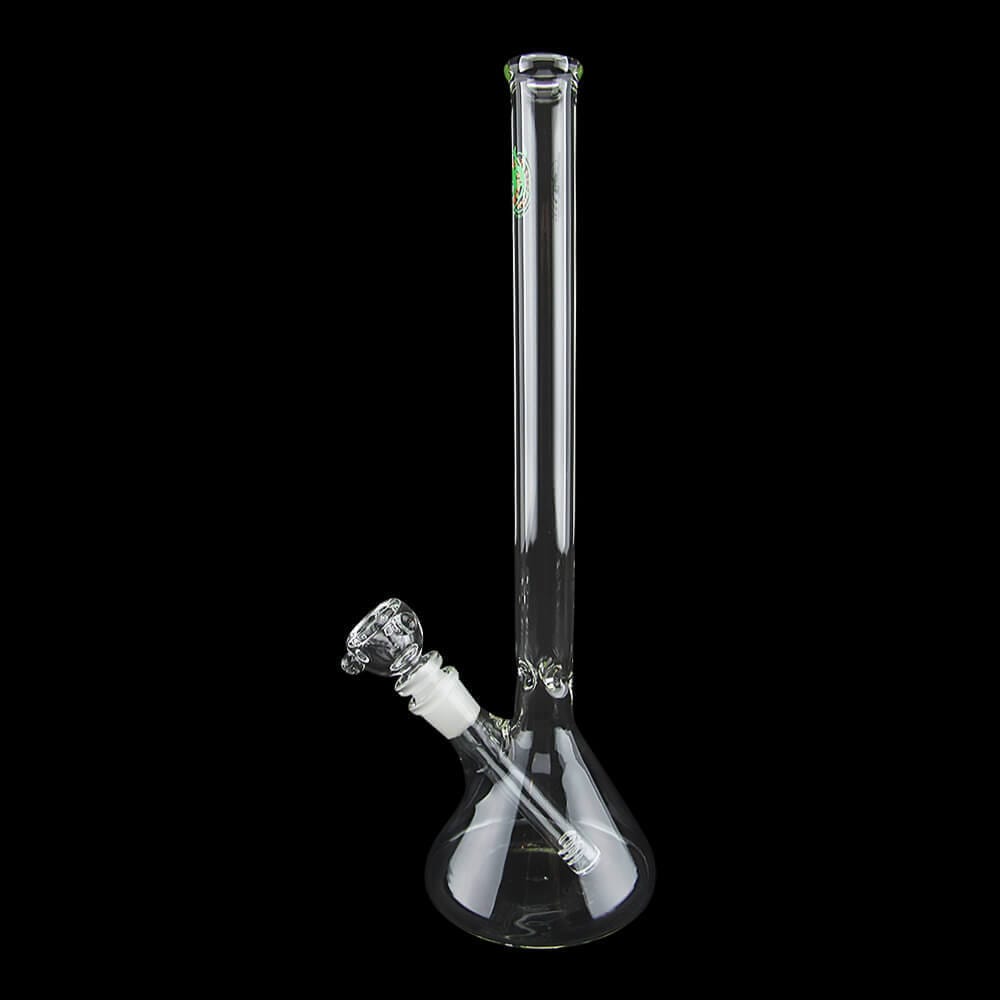
Round-Base Bongs:
Round-base bongs are also the same in shape as beaker bongs. The base of these bongs is additionally wider than all other types of bongs. The mouthpiece of these bongs is also wider than tube-shaped bongs. The water chamber in this type of bong is like a sphere that has a flat base. Round-shaped bongs are also stable than tube-shaped and straight bongs but less stable than beaker-shaped bongs.
The shape of this type of bong is different, but the other anatomy of the round-base bong is the same.
Multi-Chamber Bong:
A multi-chamber bong has more than one chamber compared to other bongs, also known as recycler bong. A multi-chamber bong has a straight tube and has two more chambers connected by a third chamber. This chamber is on the right side of this multi-chamber bong. The upper and lower chambers of the multi-chamber bong hold water because smoke in this bong device is filtered twice. The benefit of this bong is that the smoke in this bong is smoother than all other types of bongs.
You need to care more about the cleaning of a multi-chamber bong device.
Proper Bong Maintenance and Cleaning
Maintaining your bong is crucial for optimal performance. Regular cleaning prevents residue buildup and ensures a smoother smoking experience. Simple cleaning solutions, such as isopropyl alcohol and salt, can effectively clean glass and ceramic bongs. For silicone bongs, boiling water can dissolve accumulated grime safely. It is essential to regularly replace the water in the water chamber to avoid bacteria buildup. Keeping each component clean not only enhances the device’s lifespan but also ensures a healthier experience for the user.
Bucket Gravity Bong:
Bucket Gravity Bongs have a vacuum tube to fill up the space that water leaves behind in an enclosed shape. In a simple bucket gravity bong, there is a plastic bottle and a bucket filled with water. It is easy to use a bucket gravity bong. Smokers use this type of bong just for fun. But if you like this bong device, you can purchase a professional bucket gravity bong device for regular use.
Straight-Tube Bong:
Straight-Tube bongs are the simplest design of bongs available in the market. They consist of a simple tube, closed at one end with a stem to fill water and contain a bowl for putting herbs. You have to fill up the water in the water chamber and put the herbs in the bowl to enjoy the smoking. These types of bong are cheap than other types of bongs, easy to use, and clean. Moreover, this is simple to smoke because it is a straightforward smoking device.
Percolator Bongs:
A percolator bong is also known as bubbler bong is available in straight-tube, round-base and beaker-shaped bongs, and many other beautiful shapes. The unique property of this type of bong that makes it different from other types of the bong is that it contains a percolator. A percolator is a glass piece that dissipates the smoke before passing through the water chamber which causes bubbles in the bong.
In a single chamber bong such as round-based bongs and tube-shaped bongs, a percolator is at the bottom of the bong. In multi-chamber bongs, the percolator may be in another chamber or there may be more than one percolator. It is difficult to clean this type of bong due to its complexity.
Waterfall Gravity Bong:
A waterfall gravity bong is also like a bucket gravity bong in which you have to pull the bottle up to create a vacuum. You can also drain the water from the bottom. In this type of bong, you draw smoke by changing air pressure like other gravity bongs. It is made of a container having a bowl and a small hole in the bottom; to drain the water. The water flows out from the container, the air is forced to burn the substance in a bowl to create smoke in the bong.
The Bottom Lines:
A bong is a smoking device used by smokers popularly for many years. Smokers use this device to smoke herbs by heating them through the water. Bongs are available in different shapes and designs. Bongs are made of plastic, wood, glass, and metals. Bongs contain a water tube called a water chamber for water, a stem, a bowl for smoking substances, and a mouthpiece for smoking the herbs. Bongs are available in different types such as straight-tube, round-base, multi-chamber, waterfall gravity bongs, carburetor bongs, and percolator bongs.
What is a Bong? A Complete Guide to Bongs
A bong can be used for smoking dried herbs. These bongs are also known as water pipes or “water bongs.” This device filters smoke from the herb’s healing process by diffusing it with water. Although bongs come in many shapes and sizes, there is one thing that all of them have in common: they share the same basic anatomy. A bowl contains the herb to be smoked and a stem, which is the tube through which the smoke travels once heated. The shape and size can vary depending on how they are made. Some look very simple and not too distinctive, while others are more artistic than mere smoking tools. Some include extra features such as percolators which further filter and cool the smoke. There are many types and styles of percolators. This section will be more detailed in “Types of bongs.”
A Brief History of the Bong
The bong is one of the most ancient types of smoking equipment on the planet. The actual origin is still a matter of debate among historians. According to the most famous story, the bong’s origin is from Thailand. This belief is held strongly by the majority because the term “bong,” which refers to a type of smoking device made from bamboo, is widely accepted.
Archaeological discoveries in Ethiopia have unearthed ancient water pipe fragments, believed to date back over 2,000 years. These finds suggest that the utilization of bong-like devices could have significant African origins. Bongs traveled through trade routes from Africa to Asia, gaining popularity across various cultures, which led to many adaptations. Such insights broaden our understanding of how global exchanges shaped the evolution of smoking devices.
Additional studies into Persian and Middle Eastern cultures reveal that water pipes similar to bongs have been used for centuries. In these regions, the devices were often crafted with detailed designs, showing the cultural significance and artistry valued in their construction. The introduction of glass and more refined ceramic materials occurred during trade expansions along the Silk Road, which facilitated the exchange of goods and ideas, including smoking apparatuses.
Ancient records from regions across Asia reveal that bongs were not only utilitarian devices but also held ceremonial importance. In China, pipes made from natural materials have been found in burial sites, suggesting their role in spiritual and cultural rituals. Meanwhile, early Thai manuscripts describe the use of bamboo bongs in indigenous communities, integrating them into cultural practices well before modern adaptations.
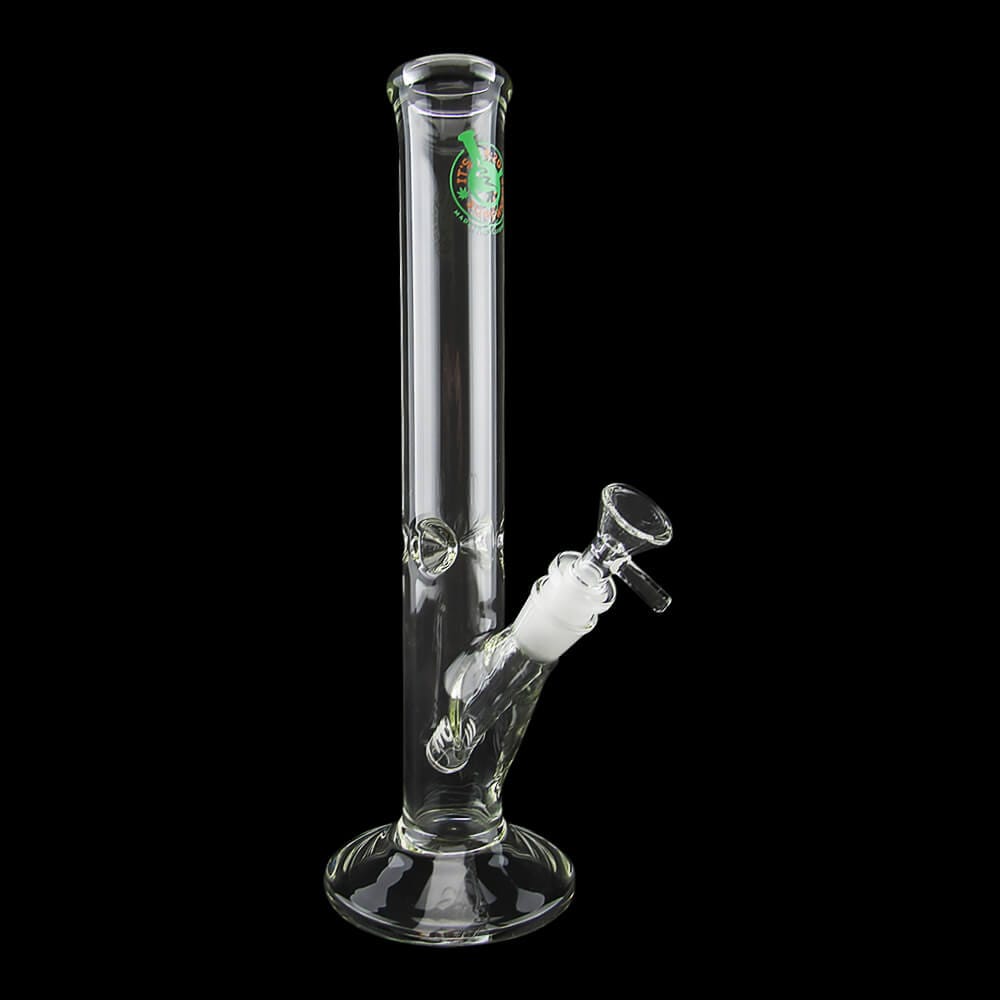
12″ Heavy Wall Straight Water Pipe
Others claim that while the bong might have been named after the Thai culture, it originated in Africa before reaching Asia. This conclusion is based upon archaeological evidence discovered in Africa, dating back between 1100 and 1400 BC. However, it has been used in many Asian cultures for many years. The bong has been around since the beginning of time, regardless of the culture that invented it. It has touched every culture in the globe in some way, no matter how old or young.
Cultural Significance of Bongs
The cultural significance of bongs extends beyond their functional use for smoking. In various societies, bongs have been incorporated into ceremonial and social practices. In some Asian traditions, bongs, or devices similar to them, were used in rituals to symbolize purification and the sacred act of communion with natural elements. In Western cultures, especially during the 1960s and 70s counterculture movement, bongs became a symbol of rebellion and freedom, representing a lifestyle choice aligned with peace and self-expression. Exploring these cultural connotations, it becomes evident that the bong has played a role in shaping social identities and communal relationships, often serving as a focal point for gatherings and shared experiences.
In addition to their ceremonial uses, bongs have also played a significant role in the art and design world. Many cultures have developed unique artistic styles and craftsmanship in bong manufacturing, with intricate designs that reflect cultural symbols and aesthetics. In contemporary settings, artisanal bong makers often blend traditional techniques with modern designs, creating pieces that are both functional and serve as artistic statements. This intersection between culture and art continues to evolve, further solidifying the bong’s place not just as a smoking device, but as an object of collectible art.
Types of Bongs- Materials
Out of all the various types of smoking equipment, the bongs are the most versatile in terms of their shape, size, and design. Let’s talk about composition. We mean the many materials that water bongs could be made out of. Glass is today’s preferred material for making bongs. Two reasons are behind this choice. The first is that Glass provides the best performance considering how often a bong has been exposed to extreme heat, moisture, and other elements. Glass is resistant to cracking, warping, warping, and breaking, even after long-term usage.
Second, Glass won’t change the flavor of the herb being used as much as other materials like wood. All you can taste when you smoke from the glass bong is the herb. Glass as a bong material has one major drawback: it is breakable. To avoid breakage, users need to be careful how they handle the device. Manufacturers use lab-quality Glass, typically between 3 and 5mm thick. This makes it more resistant. Some smokers may prefer other materials for bong-making. One such material is wood, which has been mentioned. For bong construction, wood is the traditional material. Many of the oldest bongs on the planet were made from wood. Hardwoods are the best choice for modern wood bongs.
There are many wood options, including rosewood, oak, maple, walnut, and maple. In modern times, bamboo bongs still have a place of use, especially in Thailand and other countries where bamboo is scarce. Bamboo is not wood. However, it’s the grass that, once dried thoroughly, can feel like wood. Bamboo bongs have a flavor somewhere between wooden and Glass bongs. While they produce less smoke than a glass bong but don’t leave behind as much, they aren’t as clean or as pure as a wooden bong. Many people enjoy the unique flavor of smoking herbs from bamboo bongs. Plastic/acrylic is another popular bong material. Acrylic bongs are a bit more versatile than glass bongs.
Different materials in bongs influence the smoking experience and potential health impacts. Glass bongs, generally considered safe, do not alter the flavor of the herb. Plastic bongs, particularly cheaper acrylic options, may release toxic fumes at high temperatures. Metal bongs might change the herb’s taste due to metal’s interaction with heat but are durable and long-lasting. Silicone bongs, made from food-grade silicone, are safe at normal smoking temperatures and offer a flexible, virtually unbreakable option. Understanding what each material presents helps users make informed decisions for a healthier experience.
While glass and silicone remain preferred due to their safety profiles, it’s essential to consider the less discussed implications of using metal and plastic. Some metals can leach toxins when heated, potentially altering the safety of the inhaled smoke. Moreover, the economic advantage of plastic bongs might be offset by their contribution to environmental pollution and possible release of harmful chemicals under high heat, making informed choices particularly important.
Plastic bongs are notably more affordable, attracting beginners and those seeking budget-friendly options. However, they are prone to scratching and can retain residue more easily, requiring frequent cleaning to maintain a pure taste. Silicone bongs, although more resilient, should be checked for quality certification, ensuring they are made from safe, food-grade materials to avoid inhaling unwanted chemicals.
The debate over the safest materials for bongs brings attention to innovations such as borosilicate glass. This type of glass withstands high temperatures without releasing any harmful substances, making it a popular and safe choice for many. Metal bongs, while incredibly durable, have a downside due to potential thermal conduction issues. Comprehensive testing should be considered to ensure they are made from non-reactive metals like stainless steel, which does not leach chemicals into the smoke.
Now
They are durable and won’t crack. For another, they are significantly cheaper than glass ones, much more affordable to the economically challenged smoker. These bongs are great for starting, as they can give you practice and help you get better at smoking. Plastic can’t be lit with a torch. Acrylic bongs need to have metal bowls. But, it is easy to get distracted by your torch and overheat the plastic.
It can scorch, melt or warp the plastic if you heat it too often. Additionally, the metal bowl can change the flavor of your herb. It may leave it with a metallic or harsh taste. The problem with plastic bongs? They are harder to clean. A plastic bong can retain all sorts of unpleasant flavors, including residue from past use, the flavor of what you have used, stale water, and even the smell of the bong itself. For this reason, you might need to replace a plastic bong a lot more often.
These bongs are inexpensive enough that they may not pose a significant problem. Metal ones are made from either aluminum or stainless steel. Metal bongs can look very cool and can be stylized to create an artistic appearance. Metal bongs have many advantages over plastic in terms of their construction. The most significant advantage is that metal bongs are strong and won’t shatter if dropped.
Now
This is great news for any clumsy smoker. The main problem with metal bongs is their tendency to alter the flavor and aroma of the herb you are smoking. Some smokers are dissatisfied with this. The downside is that metal can heat up very quickly, making it a conductor and heat conductor. It is important to be careful when lighting your bowl. Ensure that the flame does not touch the bong’s skin and doesn’t get too hot. Ceramic is another modern material for bongs. It’s not the most preferred by smokers today, but it is still a popular choice.
They fall somewhere between a glass and a plastic device in terms of performance and price. They are generally cheaper than Glass but more expensive than plastic. They emit a smoke flavor that is more popular than plastic ones. However, they aren’t as clean or smooth as glass bongs. Ceramic bongs are similar to plastic ones, but they have metal bowls. Although ceramic is heat-resistant, it can’t conduct heat well. It’s also not very good for heating herbs. Smokers may find the metallic taste from the metal bowl a little off-putting. However, many smokers find the ceramic has a distinct flavor that they love. Ceramic is, like Glass, easily broken. While it may not break into 100 pieces, you can still cry if it drops on the floor.
Bongs are often available in different materials including glass, metal, silicone, and other environmentally preferred materials. As the popularity of bongs continues to grow, so does the interest in their environmental impact. Glass bongs are often considered environmentally friendly due to their long lifespan and recyclability, unlike plastic options, which may contribute to pollution if not disposed of properly. Silicone bongs offer a durable alternative that is less likely to break but are less biodegradable. Recently, there have been innovations in the production of more sustainable bong materials, such as biodegradable plastics and bamboo, which provide a more eco-conscious option for consumers. By choosing materials wisely and supporting producers who prioritize sustainable practices, bong users can contribute to a more environmentally sustainable culture around their use.
Glass bongs are notably less environmentally detrimental due to their recyclability and long life spans. However, they require significant energy for production due to high-temperature glassblowing processes. Bamboo bongs, while traditional, pose a minimal environmental impact when harvested sustainably. The advent of biodegradable plastics offers a promising alternative to regular plastic bongs, which often end up contributing to plastic pollution. Users are encouraged to consider their ecological footprint when selecting bong materials, balancing their needs with environmental consciousness.
An increasing number of ethical brands are committing to sustainability by focusing on the lifecycle of the bong materials used and their potential recyclability. For instance, bongs made from recycled glass not only reduce waste but also lower the carbon footprint associated with new glass production. Additionally, research into bio-resins for manufacturing has shown promise, offering materials that naturally degrade without leaving harmful residues. By opting for bongs made from such forward-thinking materials, consumers can actively contribute to efforts in preserving environmental health.
Consumers are more aware of their environmental impact and seek brands aligned with their values. Some companies emphasize carbon-neutral operations, using solar energy in production processes and sourcing materials locally to reduce transportation emissions. By supporting such companies, users can enjoy their bongs with the assurance that their choices are contributing positively to the environment.
Bong Styles
Bongs come in a variety of shapes and styles. The majority of bongs will fall within one of these categories. Tube-style, This type of bong is made from a tall, straight piece of Glass. The tube’s one end will be closed, and the bowl will protrude from the tube’s side.

8″ Heavy Wall Straight Tube Water Pipe
Beaker style this type of beaker looks precisely like those used by chemists. In essence, however, they are similar to tube bongs, except the bottom is flared. The other features are the same as for a tube. The main advantage of these bongs over traditional tube-style ones is their stability when placed on a flat surface.
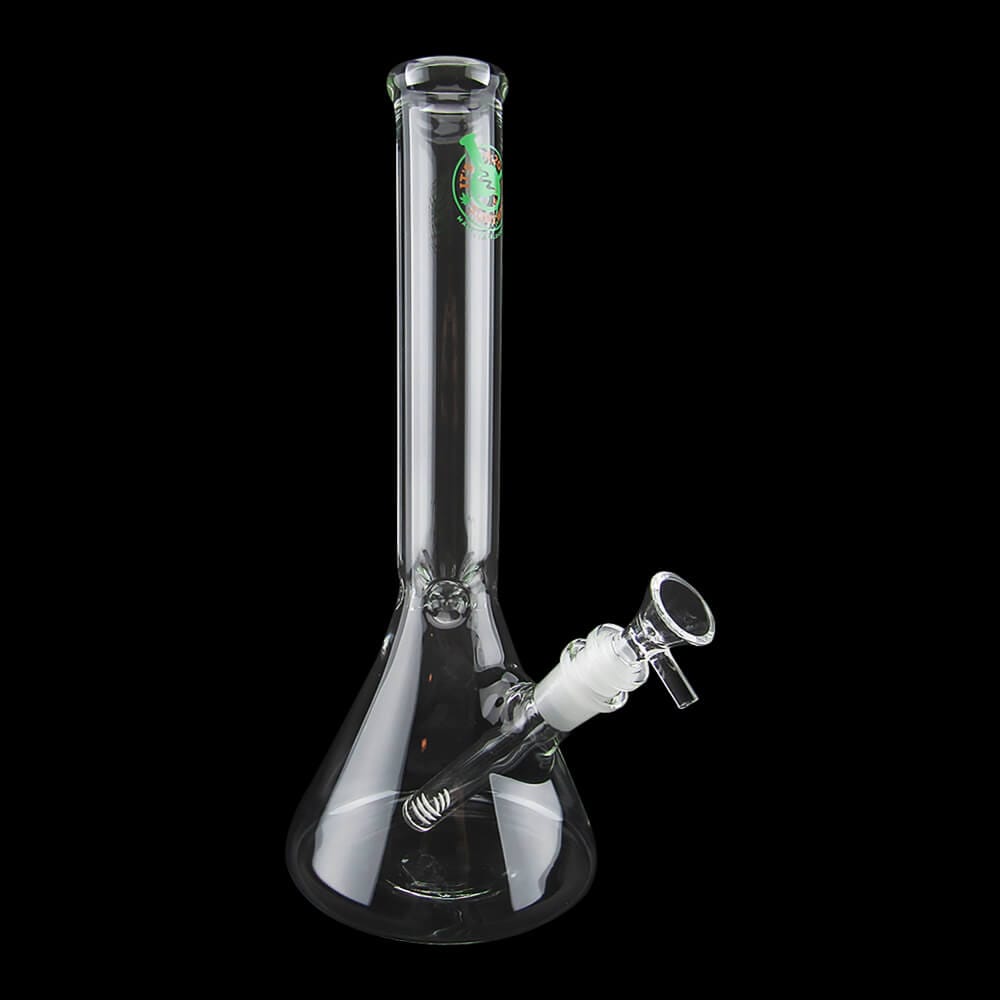
12″ Heavy Wall Beaker Water Pipe
Round-base This type has a tube that is rounded at the bottom to create a sphere. It can also rest on a tabletop. The tube bong works the same as a tube or beaker, but it is not a tube.

8.5″ Round Bubble Base Water Pipe
Percolator or “bubbler?” This type is available in many forms. What is the difference between a “percolator,” and a “percolator? “Bubbler The chamber has a section inside that dissipates smoke and then sends it through the water. This causes the water in the chamber to “bubble” and “percolate,” which has an additional cooling effect.

12″ Single Showerhead Perc Straight Tube Water Pipe
Gravity style: This bong harnesses the power and vacuum of gravity. The vacuum pulls smoke from the bowl and inhales it. The basic science behind gravity bongs is the same. They can be “bucket”- or “waterfall,” but they are the same. 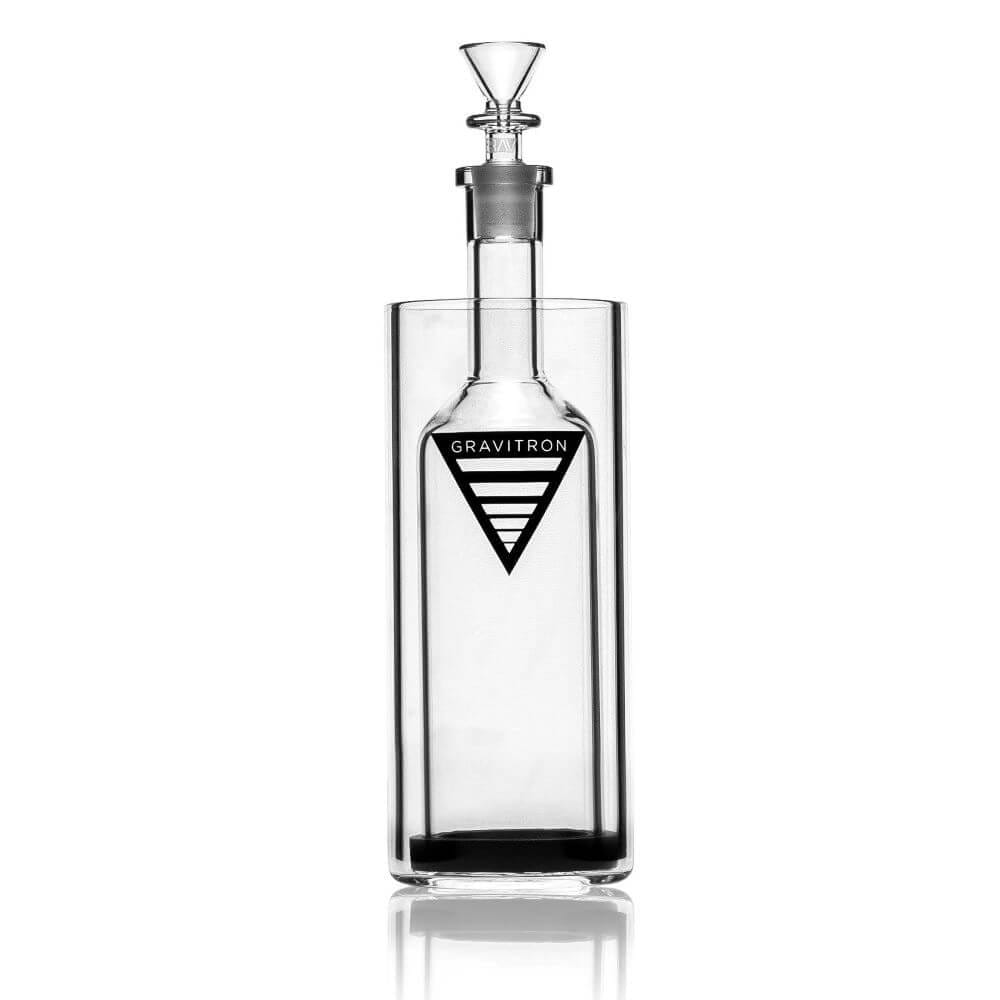 The smoke is filtered through the water chamber in a bong with no percolator before being inhaled by the smoker. This eliminates most of any debris and cools the smoke. After passing through the water chamber, the smoke is filtered through a percolator. The percolator cools down the smoke, removes any debris, and makes it feel smoother.
There are many different types of percolators for bongs.
Diffused downstream (straight): A straight tube made of slits at its base, usually between three to six. Dome: The percolator’s name refers to its dome-shaped shape. It has holes or small slits at its bottom.
Tree: A bong that has a tree-style percolator can have “arms.” Each helps to diffuse the smoke. You can choose to have arms with an open or closed bottom. There are also slits at the sides.
Inline: This perc style is a horizontal tube that has holes or slits in it.
Drum: This perc is known for its drum shape. It has many slits to diffuse the smoke.
Sprinkler: This percolator functions like a sprinkler. It shoots water and produces tons of tiny bubbles. This creates a great hit.
UFO: This percolator is another type named after its shape. It is literally a tiny space that has been inserted into your bong. It works similarly to showerhead perc, but it has more slots for increased percolation.
Honeycomb: This style includes a honeycomb-shaped disc with lots of tiny holes. These holes disperse the smoke.
Showerhead, This type of percolator works like a showerhead. It’s a vertical tube flared at the bottom and has slits or holes just like your bathroom showerhead.
Swiss: This is a vertical-style percolator. It’s named this because it looks somewhat like Swiss cheese. Because the holes are all through, smoke is diffused around it instead of filtered through like other types.
Retire: This percolator comes with two tubes. The smaller one has a slightly larger circumference. The smaller tube will fit in the larger. Both tubes have diagonal slits that are opposite. Smoke flows through both tubes and diffuses through the slits.
Turbine/Cyclone: This percolator could remind you of the old “tornadoes in a bottle” science experiment. But it’s a cooler, grown-up version. It’s a disc with angled openings at the sides. This causes the water to spin inside the bong like a tornado and makes it very hypnotizing.
Helix: This percolator design features a tube that spirals up to the bong chamber. This type can also be made up of two spiraling tubes (known as a “double Helix”).
Common Accessories for Bongs
There are a variety of accessories available that can enhance the bong-smoking experience. Ash catchers are a popular addition as they serve to filter out unwanted ash and debris before it reaches the water chamber, keeping the bong cleaner for longer periods. Another accessory is the additional percolator, which can often be attached to the bong to provide extra filtration and cooling of the smoke, improving the smoothness of each hit. Bong bags or cases are considered essential for many users due to providing protective storage and making transportation easier while reducing the risk of damage. For smokers who prefer personalization, decorative wraps and mouthpieces are also available, allowing them to customize their bongs’ appearance to reflect personal style.
The Benefits of Smoking from a Bong
Bongs have a long and rich history. They have been iconic smoking devices for hundreds upon hundreds of years. In recent years, however, they have seen a substantial increase in popularity. Many modern features have been added to bongs, which eliminate the unpleasant side effects. Bongs are more loved and important than ever. Additionally, bongs are considered the most healthful way to enjoy herbs in their “classic sense.” Many bong smokers also cite the bong’s water filter system as a carcinogen-removal method. Others prefer bongs due to their flexibility, efficiency, unbeatable flavor, and historical importance. By “historical importance,” we mean that bongs have been the dominant smoking device for many centuries. You can’t compare. Online headshops know firsthand that bongs remain the most popular smoking device according to bong usage statistics, and they deserve our respect and reverence.
What is it that makes bongs so delicious?
Most smokers prefer a bong over traditional glass pipes because of its water filtration. Inhaling tar or burnt ash from regular glass pipes or cigars can lead to respiratory problems. This can be a painful experience. Nobody has ever experienced this and thought, “This is nice.” With bongs, you don’t have to worry about this. The water captures the ash. The water traps the ash and immediately inhibits its movement – especially in your mouth.
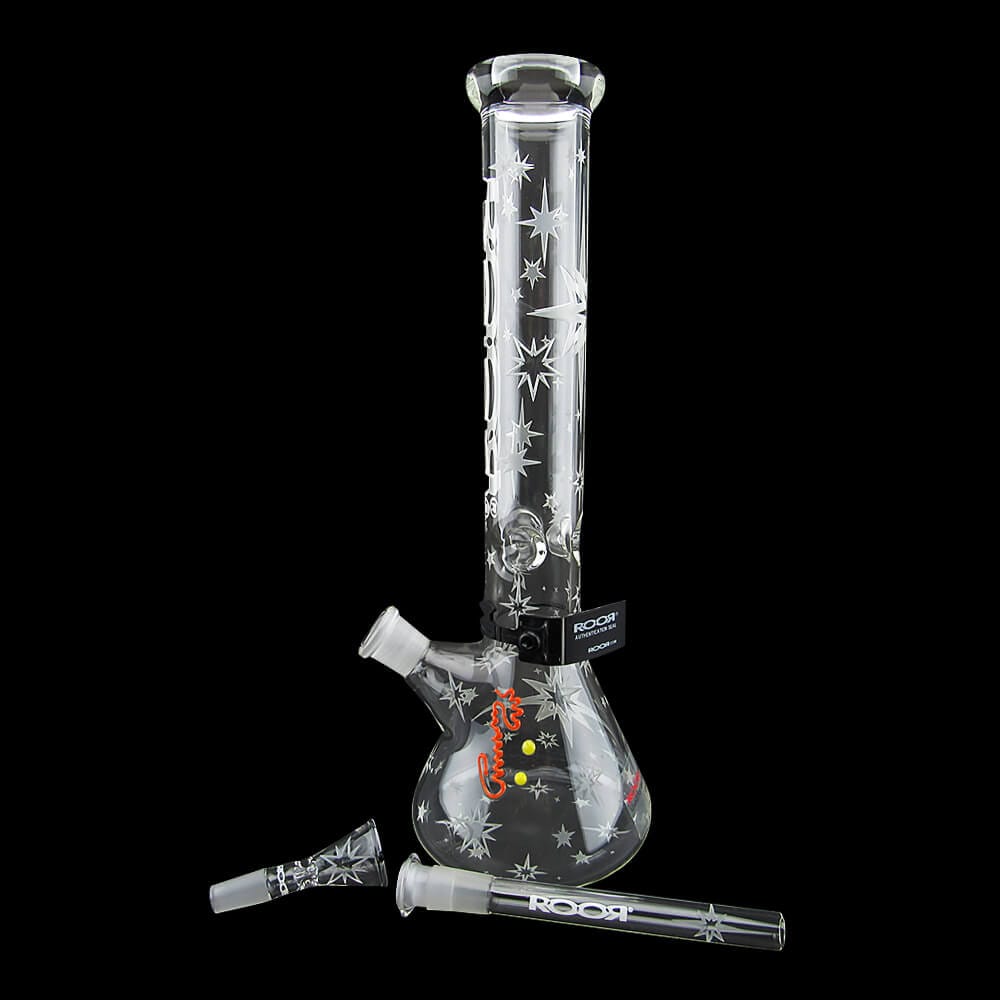
ROOR Custom Sandblasted 14″ Beaker Water Pipe – Sparkle
Many people also praise bongs for their ability not only to trap ash but also other substances. Additionally, bongs are known for their ability to trap and filter harmful carcinogens and smoke-borne toxic toxins. Water filtration helps to cool down the smoke before it gets to the mouthpiece. The smoke is inhaled more smoothly and does not irritate our throats or lungs. The difference between smoking a bong and a regular dry-glass pipe is vastly different. They are cooler, smoother, and more enjoyable to use. You can smoke from smaller pieces with bubblers, which offer the convenience of a hand pipe and the superior filtration of bongs. A bong is still better because they are easy to use and has a lower chance of clogging.

ROOR X Eleven30 2-in-1 16″ Straight Tube Water Pipe and Dab Rig Combo – Green Mint
Water filtering is essential!
Furthermore, bongs have water that helps filter out a lot of tar. This is the reason why bong water eventually turns dark brown. To get the best cooling and filtration possible, make sure your bong is clean. It’s not a pleasant experience to smoke through contaminated bong water. This can also affect the aroma and flavor of any concentrates or herbs. Some people believe that smoking from a bone marrow bong absorbs more significant amounts of beneficial compounds than the actual tar. Because the bong water absorbs many compounds, it is believed that more must be smoked from a bong to get the same results. Recent advancements have made bong technology a lot more advanced. To enhance our smoking experience, there are many options for percolators and glycerin coils that can be used.
Smoking from a bong using a basic percolator will produce large bubbles but have a low surface area. A more advanced percolator produces smaller bubbles but has a larger surface area. You’ll enjoy cooler smoke and better filtering. An ash catcher is an excellent addition to any bong. It will ensure smoother hits. This will give you smoother smoke and even more water filtering. Additionally, it will trap any ash before it gets into your bong. This ensures that your bong stays clean and functional, as well as ensures optimal performance.
How to Smoke A Bong
Let’s face facts: If you’re a frequent online customer or a keen smoker, then you already know how to smoke a bong. For those new to the world bongs, don’t be afraid. Here’s a foolproof guide on how to smoke a bong as a seasoned, smoky expert.
1. Get water in your bong
Your bong’s style and size will dictate the amount of water that you need. It is a good rule of thumb to fill your bong with water at the level of any percolator or down stem. Another tip is to fill your bong full of water, even if it’s not yet clean or brand new. Then inhale hard. This will get the water directly into your mouth. You can then spit it out. Keep doing this until there is no more water left in your mouth. Now you have the perfect water level. This will make it easy to remember when you fill up your bong.
2. Grind Your Herbs
While you can still use your fingers to grind your herbs, it’s best to use a grinder to ensure a consistent grind and to prevent your bowl from getting clogged. It’s best to grind your herbs as finely as possible. You shouldn’t grind the herbs too fine that it becomes dusty. They will go through your bowl piece if you grind them too fine.
3. Place Your Herbs in the Bowl
The bowl is the Glass funnel-shaped piece in which you place your dry herbs. You should pack this piece with your grind herbs. It will allow airflow to pass if it is packed too tightly. It is always better to pack a small container so you can reuse it.
4. Ignite
Your dominant hand should hold the bong. Place your mouth over the mouthpiece. Your lips should touch the mouthpiece. This will create an airtight seal. While you inhale, switch on the lighter and turn on the flame for your herbs. You can continue to inhale as you circulate the bowl with your flame. After inhaling your preferred amount, you can stop lighting the bowl. After a few seconds, remove the bowl and continue inhaling until the main chamber of the bong is empty. This is it! This is how you can smoke a bong.
Maintenance and Cleaning Tips
Regular maintenance and cleaning of your bong are essential for maintaining its performance and extending its lifespan. To clean a glass bong, fill it with isopropyl alcohol and coarse salt, then shake it vigorously to dislodge resin buildup. Rinse thoroughly with warm water to remove all cleaning residues. For silicone bongs, which are less prone to cracking, a simple rinse with hot water usually suffices, but periodic deeper cleanings will help maintain freshness. Clean the bong every couple of uses to prevent hard deposits. Replace water after each use to preserve taste and performance. Keep in mind that a clean bong not only provides an optimal smoking experience but also ensures that all inhaled smoke is as pure as possible.
For stubborn stains and resin build-up, specialized cleaning agents designed for bong maintenance can be employed. These are typically more effective than household cleaners and are formulated to break down resin without damaging the bong’s material. Users might also consider using natural cleaning solutions like vinegar and baking soda, which can provide an eco-friendly alternative to chemical cleaners. Regular inspections for cracks or weak spots, particularly in glass and ceramic bongs, are recommended to prevent accidental breakage during cleaning or use. Keeping a schedule for maintenance not only extends the life of the bong but also ensures every session is as enjoyable as the first.
To Perc or not to Perc
As previously stated, not all bongs include percolators. Some older generations (pre-Keurig) may associate percolators with coffee. This is a factual fact. Bongs use percolators that operate similarly to traditional coffeemakers. This is because they permit the interaction of water with another substance. Ground coffee is the raw material used in coffeemakers. A bong is made of dry weed. All percolators provide the same purpose regardless of their construction (though different styles offer unique and exciting experiences). In a bong without a percolator, the smoke goes through the water only once. The smoke is percolated twice through water using a percolator.
This reduces the temperature of the smoke and eliminates any particulates. As a result, the hit is cooler and smoother than with a non-percolator bong. Although percolator bongs are slightly more expensive than non-percolator bongs, most modern smokers prefer them and are prepared to spend more for an excellent, smooth, and velvety hit. Every individual is unique. Therefore, if you have the opportunity, try both to see which one best meets your needs. Is larger always preferable? Not always! Sometimes. This is where you must truly “tune in” to ascertain your requirements. Consider the following questions: Where is it going to be stored? It must fit on a cabinet or bookshelf. Or can you allow it to grow as large as you wish and shine like a diamond on your coffee table? What do you like to do after you’ve smoked?
Additionally,
folks who are extremely active may choose to consider purchasing a vaporizer. What is the most comfortable inhalation size? It is directly proportional to the device’s height and the depth to which it must be drawn. While some individuals possess Herculean lung capacity, others require two puffs to perform the task. However, the majority want a unified experience. Do you have a rough concept of the size of the chamber you desire? Now, add a few inches to allow for growth. Once you’ve gotten the hang of it, your new pipe will never tire you. After determining the size range, you desire, pull out a ruler or another object of comparable size to assist you in comparing your online buying possibilities.
Online buying for bongs has several advantages, including increased privacy and the ability to choose your size without being hurried by a salesperson. A disadvantage is that, despite efforts to convey size via images accurately, a vast pipe may occasionally appear smaller than it is. While browsing the site, it’s recommended to compare the measures to a ruler. This will prevent you from having to deal with the trouble of returning the item. Finally, a word about size: if you need something smaller, say 12 inches, a pipe with a splashguard will suffice.
This will prevent the bong water flavor from interfering. Allow us to share a lovely story about breaking up with you: A Guy purchased a very reasonable 20-inch inline cigarette two years ago. It was knocked over multiple times by pets after being dropped on the hardwood. Only the dirty buildup at The Cleanability Factor, located in the difficult-to-reach inner perc, indicated wear. There are three ways to increase durability.
1- Borosilicate glass of your choice
2- Joints that are reinforced
3- Stable, large bases
This is a public service announcement for all first-time bong purchasers: Durability is critical! Although it’s simple to dismiss, this is a constant factor. Borosilicate glass was the deciding factor between a bong that never dies and a new one with a one-day life expectancy. Borosilicate glass is so critical to constructing high-quality pipes that we have devoted an entire essay to it. Consider it ‘Pyrex’ due to its capacity to tolerate extreme temperatures while maintaining a robust, substantial feel.
Previously, to afford borosilicate, you had to forego all the enjoyable features of pipe making. However, in the golden age, this is no longer true. Remember that you can always add sophisticated attachments to a simple, robust, and cool bong. While premium glass is the most important factor in extending the life of a water pipe, there are additional measures to boost its durability. Flared bases or beaker bases might assist prevent your pipe from tipping over. Consider the term weeble-wobble. By flavoring your water using beaker bases, you may improve water filtration and enhance the amount of smoke that bubbles. On straight stems and lining silhouettes, flared bases are common.
These provide a stable base for your pipe. Reinforced joints (also known as Dewar’s joints) provide an additional layer of protection against breaking. Between the main chamber and the slide is a second piece in this joint. If it is struck by something, the force is distributed between two locations. When combined with borosilicate, base designs and two-pronged joints perform effectively. Triple whammy? A pipe that possesses all three characteristics is referred to as a triple threat. Indeed, the pipe I mentioned previously had a flared bottom and a Dewar’s joint.
Due to the fragility of the Glass, the pipe shattered just above the second joint. The additional shielding rendered the pipe completely worthless. On the other hand, my borosilicate inline pipes have withstood several drops without any reinforced joints and are still robust. Unbreakable silicone bongs are also gaining trendy. Sure silicone pipes may be readily rolled up to the desired size without breaking, making them one of our must-have beach items. Regrettably, they frequently lack appropriate attachments and further percolation.
Bongs Frequently Asked Questions
How Much Do Bongs Cost on the Internet?
Bongs can be purchased for as little as $30 or as much as hundreds of dollars. Silicone ones are typically priced between $30 and $70, making them an economical option. The cost of tiny glass bongs can range from $25 to $100, while the price of larger glass bongs are in the $100 range and up. The maximum is $1000’s.
Can You Purchase Bongs?
The federal law is continually evolving. While it’s true that these aren’t only used for cannabis, it is also possible to use them for consuming different dried herbs. You can order from anywhere you have internet access as long as you are at least 18 and not under 18. Our best online head shop It’s 4:20 Somewhere carries medical and recreational dab rigs, bongs, water pipes, as well as glass pipes and accessories.
Are water pipes considered bongs?
Water pipes are those that incorporate some type of water filtration. Additionally, this pipe category includes bongs and bubblers.
How are bongs made?
Temperatures as high as 1163°C can cause glass bongs to start in liquid form. The craftsperson shapes the molten metal into a bubble using a hollowed-out steel blowpipe or rod, which is blown to make a circular shape.
How do I dab with my bong?
Dabbing with a bong requires a quartz banger or another form of dab nail. Concentrates must be heated to convert to vapor. It is critical to verify compatibility. We adore the Heavy Duty Rig by Higher Standards. This rig is available in a large version and includes 100 percent quartz nails. With proper upkeep, it can last an eternity. This compact but highly effective apparatus is constructed of medical-grade, robust borosilicate glass. It is designed to provide the best flavor and reliability possible.
Is It Safe to Use Silicone Bongs?
Yes. Each silicone bong is composed entirely of Medical Grade silicone. The bong is the earliest and most extensively used method of combusting tobacco among tobacco enthusiasts. While bongs had grown in popularity since the 1970s, when they made a resurgence on the market, they have been around for decades. What is the best feature of a bong? It’s convenient, easy to use, and an excellent way to smoke tobacco. Because the smoke is typically heated before inhalation, a bong produces more relaxed, smoother smoke.
Health Considerations in Bong Use
While bongs are often promoted as a safer smoking method due to their water filtration capability, users should be aware of various health considerations. The water in bongs does help trap some heavier particles and may cool the smoke, reducing its temperature before inhalation, which can make the experience more pleasant compared to dry pipe smoking. Yet, the cooling effect might lead to deeper inhalation, which still introduces harmful substances into the lungs. It’s important to note that while certain toxins, like tar, are partially filtered out, carcinogens are not completely eliminated. Health professionals recommend moderation and mindfulness of individual tolerance levels to mitigate potential respiratory risks. Choosing quality materials and maintaining cleanliness are also crucial in reducing health risks.
Another important factor is the material used for the bong. For instance, glass bongs, which are popular due to their clean taste and aesthetic clarity, do not affect the flavor of the herb, unlike metal or plastic pipes. However, users should ensure the glass used is of high quality to avoid the risk of toxic exposure during use. For those opting for silicone bongs, it’s crucial to check that the material is food-grade or medical-grade silicone to avoid inhaling harmful chemicals. Checking these details helps users make informed decisions, optimizing both safety and enjoyment during use.
Different Legal Considerations Regarding Bong Use
Different countries have varied legal stances on bongs, particularly concerning their association with cannabis use. In the United States, laws differ by state, with some places requiring customers to assert that bongs are for legal substances only. In the UK, bongs are legal to purchase but display limitations exist regarding their sale for illegal drug use. Countries like Canada have fully accepted their sale with the legalization of cannabis. Buyers should stay informed about local regulations to ensure compliance and understand any implications for importing or exporting bongs internationally.
Online discrepancies complicate the sale of bongs, where retailers must often classify them based on their intended legal use to comply with regulations. Shipping restrictions can vary significantly, where items might pass freely in some jurisdictions but face seizure or fines in others. Countries in Europe, like the Netherlands, face similar challenges, where enthusiasts enjoy liberal laws domestically but may face hurdles importing from countries with stricter restrictions. Knowing these differences helps bong users prevent legal issues and ensures that they can responsibly enjoy this aspect of culture.
It’s important to note that staying informed about local laws is a key part of responsible ownership and use. Legal reforms continue to change how bongs are perceived under law, sometimes rapidly shifting regulations from prohibition to acceptance within a short period. Supplying accurate information about these legal perspectives helps users steer their use responsibly and highlights the ongoing evolution in the legal landscape surrounding bongs.
Final Remarks
Glass bongs are the most popular on the market. They are available in an array of styles, colors, and designs. They are easier to clean than other materials, more sanitary, and can endure an extremely long time if they are thick enough. However, one disadvantage of glass bongs is their proclivity for cracking. Always keep your bong locked and away from your dog’s ears and wagging tail. Numerous individuals have had their bongs smashed and have been brought to their knees. Bongs are not only made of Glass. Additionally, they can be made of other materials. If you are prone to being clumsy, you may want to consider purchasing a silicone bong.
Visit It’s 4:20 Somewhere head shop for the best selection of bongs online.